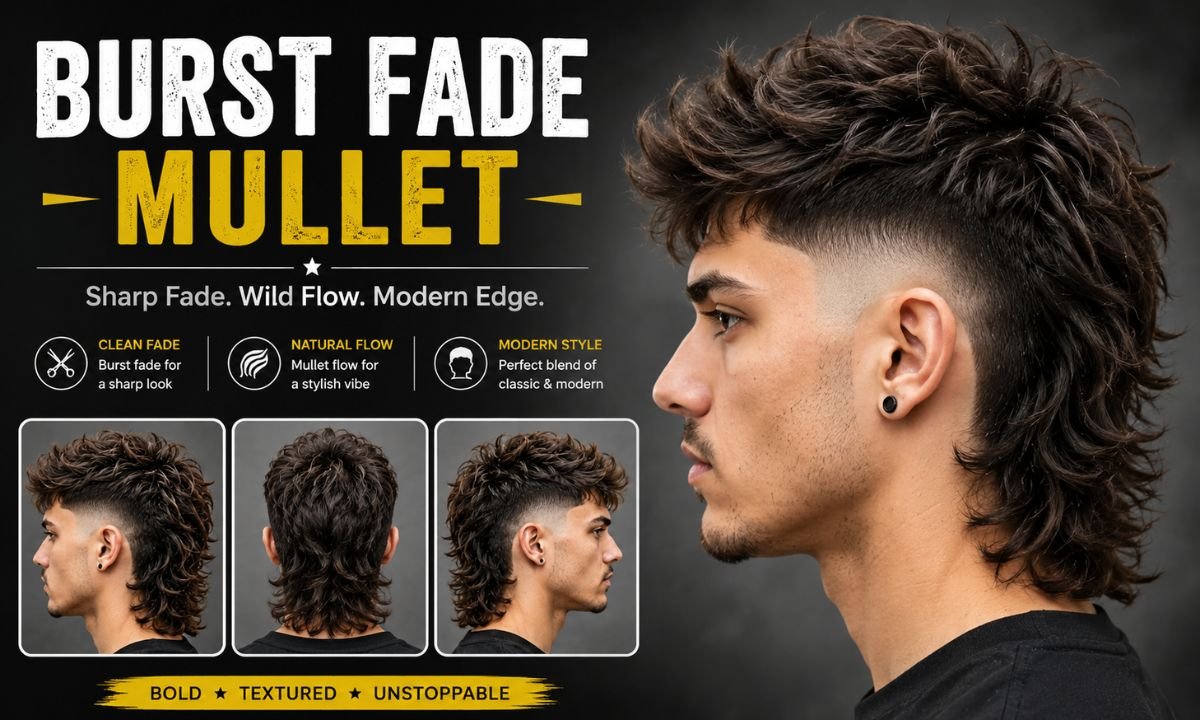
The burst fade mullet has become one of the go-to requests at barbershops this year, and it’s easy to see why. It gives you the clean, sculpted sides of a fade with the personality and length of a mullet, so you’re not stuck choosing between a “safe” haircut and one with real character.
This guide walks through what the cut actually is, who it suits, 15 of the best variations to bring to your barber, and everything else you need, from face-shape matching to a maintenance schedule, to keep it looking sharp.
What Is a Burst Fade Mullet Haircut?
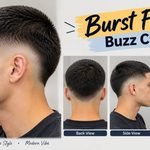
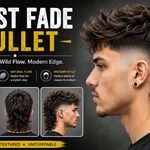
A burst fade mullet combines two haircuts into one. The “burst fade” part refers to a fade that curves around the ear in a rounded, semicircular shape rather than cutting straight across; it looks like the fade is “bursting” outward from a point near the ear. The “mullet” part means the back is left noticeably longer than the sides and top.
Put together, you get short, tightly blended sides that show off clean barbering work, paired with a longer back section that gives the cut movement, texture, and an edge that a standard fade doesn’t have. It’s flexible enough to work across most hair types, including straight, wavy, curly, or thick, and can be cut at a low, mid, or high fade height depending on how much contrast you’re after.
At a glance:
- Rounded fade that wraps around the ear instead of running in a straight line
- Length deliberately kept at the back
- Works with a beard, fringe, or a shaved hairline design
- Adjustable fade height: low, mid, or high
- Suits straight, wavy, curly, and thick hair
Who Should Try a Burst Fade Mullet?
This cut works best for guys who want a haircut that looks intentional, not default. It’s a good fit if you:
- Want something bolder than a standard taper or crew cut
- Have texture (curl, wave, or thickness) that you’d rather show off than flatten out
- Don’t mind visiting the barber every few weeks to keep the fade sharp
- Like the idea of low-effort length at the back paired with a sharper, more sculpted front and sides
- Want a style that can be dressed up or worn messy depending on the day
It’s less suited to guys who want a true wash-and-go cut with zero upkeep, or whose workplace has strict grooming standards. In that case, a classic taper fade is the safer call.
15 Burst Fade Mullet Styles for 2026
1. Low Burst Fade Mullet
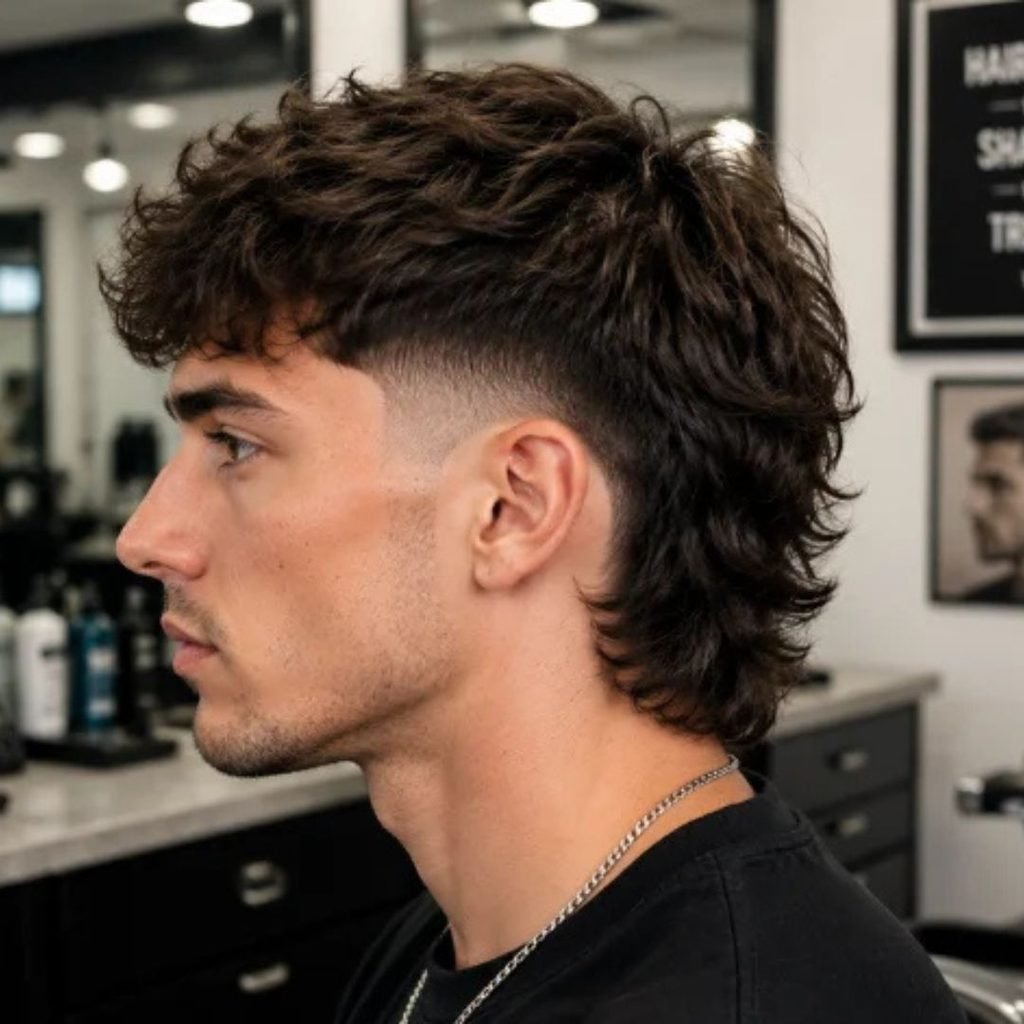
The fade sits close to the hairline here, so the jump from the sides to the back stays subtle rather than dramatic. It’s the easiest version to ease into if you’re trying this cut for the first time or need something workplace-appropriate.
- Best for: first-timers, conservative grooming environments
- Hair type: straight, thick
- Maintenance: low to moderate, trims every 4 to 5 weeks
2. Mid Burst Fade Mullet
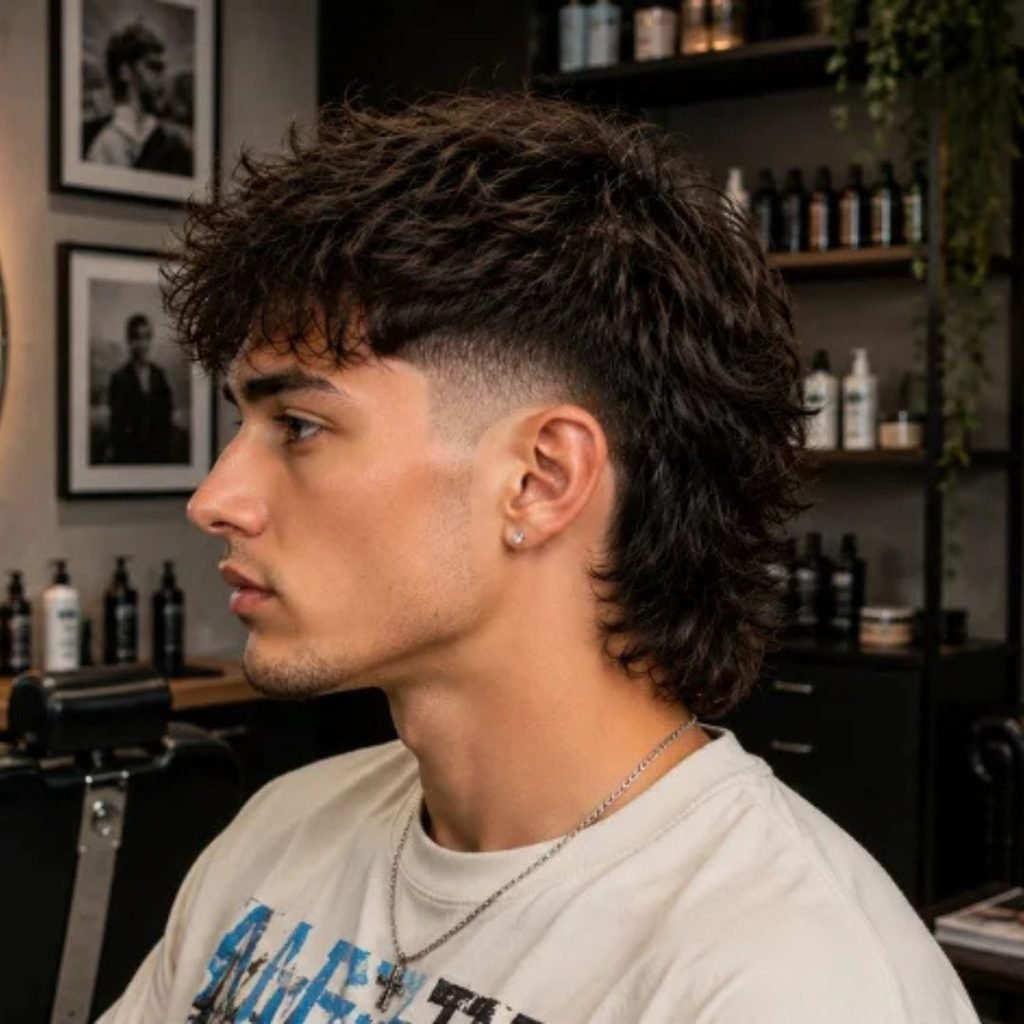
A step up in contrast from the low fade, the mid version starts higher on the head, giving a clearer line between the short sides and the longer back without going full high-contrast.
- Best for: guys who want noticeable contrast without an aggressive look
- Hair type: wavy, straight, medium-thick
- Maintenance: moderate, trims every 3 to 4 weeks
3. High Burst Fade Mullet
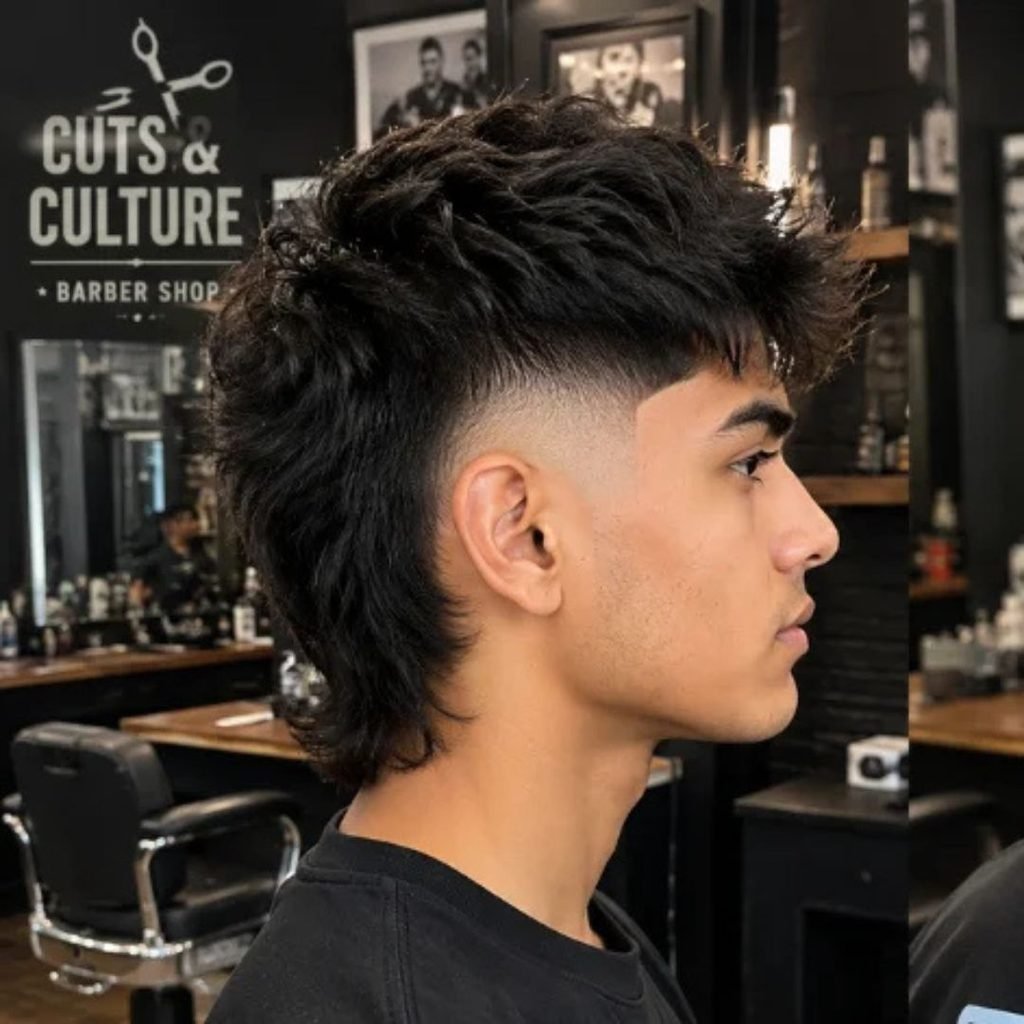
This is the boldest fade height on the list, cutting in well above the ear. It creates the sharpest possible contrast against the length at the back and is the version most people picture when they hear “modern mullet.”
- Best for: guys chasing maximum contrast
- Hair type: straight, thick, coily
- Maintenance: high, trims every 1 to 2 weeks, since more scalp is exposed and grows out faster
4. Curly Hair Burst Fade Mullet
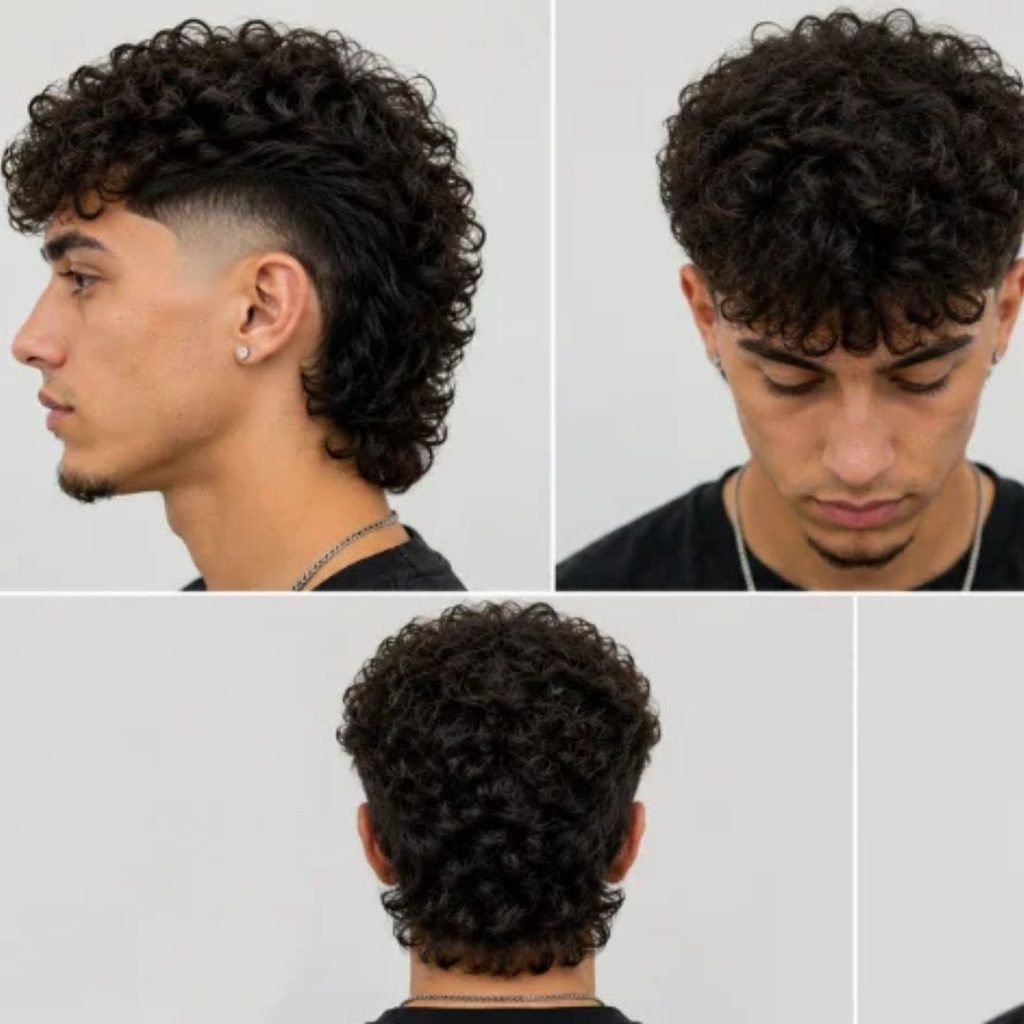
On curly hair, the fade clears bulk away from the ears so the curls at the top and back actually stand out instead of competing with thick sides for attention.
- Best for: guys who want their natural curl pattern front and center
- Hair type: curly, coily
- Barber tip: ask for the cut to be done dry, or close to it, so curl shrinkage doesn’t throw off the finished length
5. Burst Fade Mullet for Straight Hair
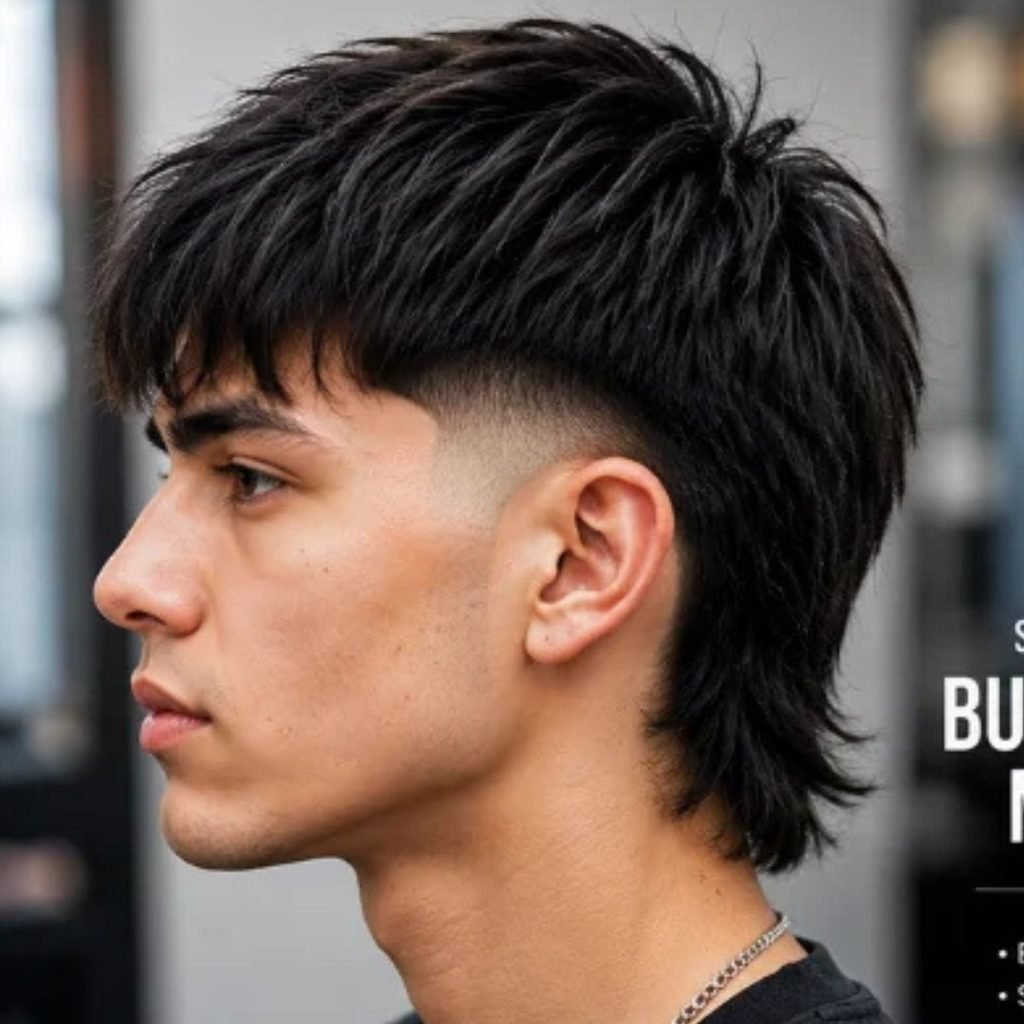
Straight hair holds the crispest, cleanest fade line of any texture, which makes this one of the sharpest-looking variations on the list right out of the chair.
- Best for: almost any face shape; straight hair is the most forgiving texture here
- Maintenance: moderate
- Styling tip: a lightweight wax adds texture without disturbing the clean lines
6. Messy Burst Fade Mullet
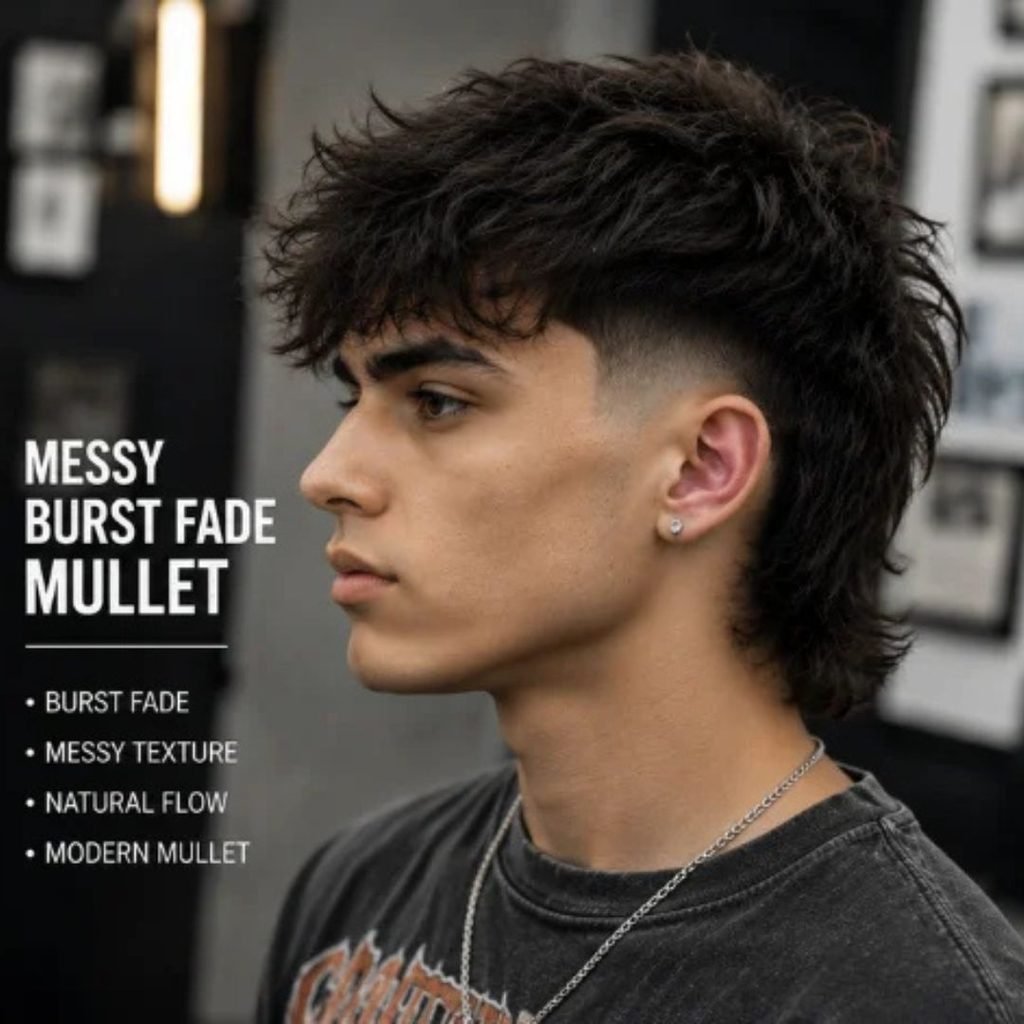
This version takes a textured cut and styles it deliberately loose: minimal parting, a tousled top, relaxed movement at the back. It’s built for guys who want a stylish look with the least possible daily effort.
- Best for: low daily styling time
- Hair type: wavy, medium-thick
- Barber tip: ask for slightly more length on top than a standard textured cut so there’s enough to tousle
7. Textured Burst Fade Mullet
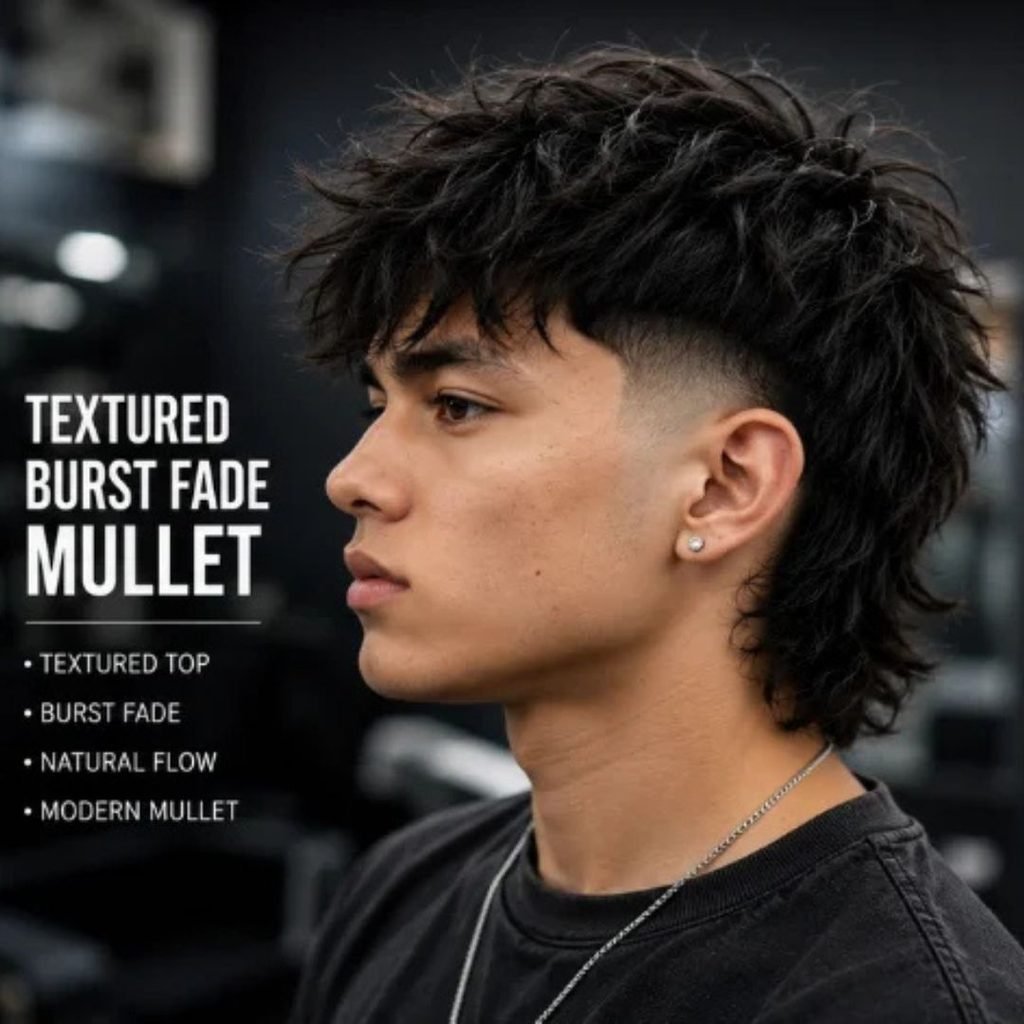
Layering through the top and back adds movement and fullness compared to a one-length mullet, which makes this a strong option if your hair tends to sit flat.
- Best for: fine or flat hair that needs visual volume
- Hair type: fine, straight, wavy
- Barber tip: point-cutting with shears (not just clippers) is what creates the texture. Confirm your barber is doing this on top
8. Skin Burst Fade Mullet
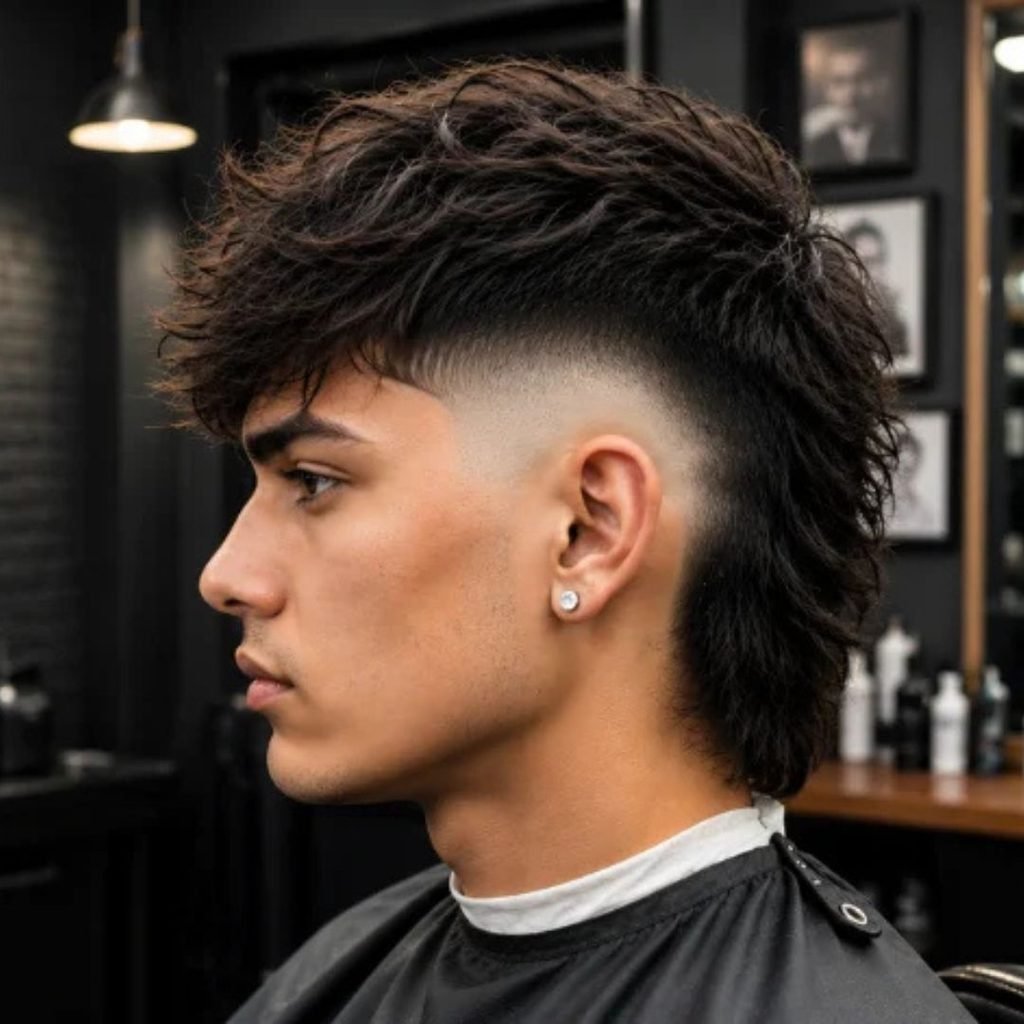
The fade here goes all the way down to the skin, creating the sharpest possible line against the length at the back. It’s the highest-contrast, highest-maintenance option on this list.
- Best for: guys who want maximum definition and don’t mind frequent trims
- Hair type: straight, thick
- Maintenance: high, every 1 to 2 weeks
9. Taper Burst Fade Mullet
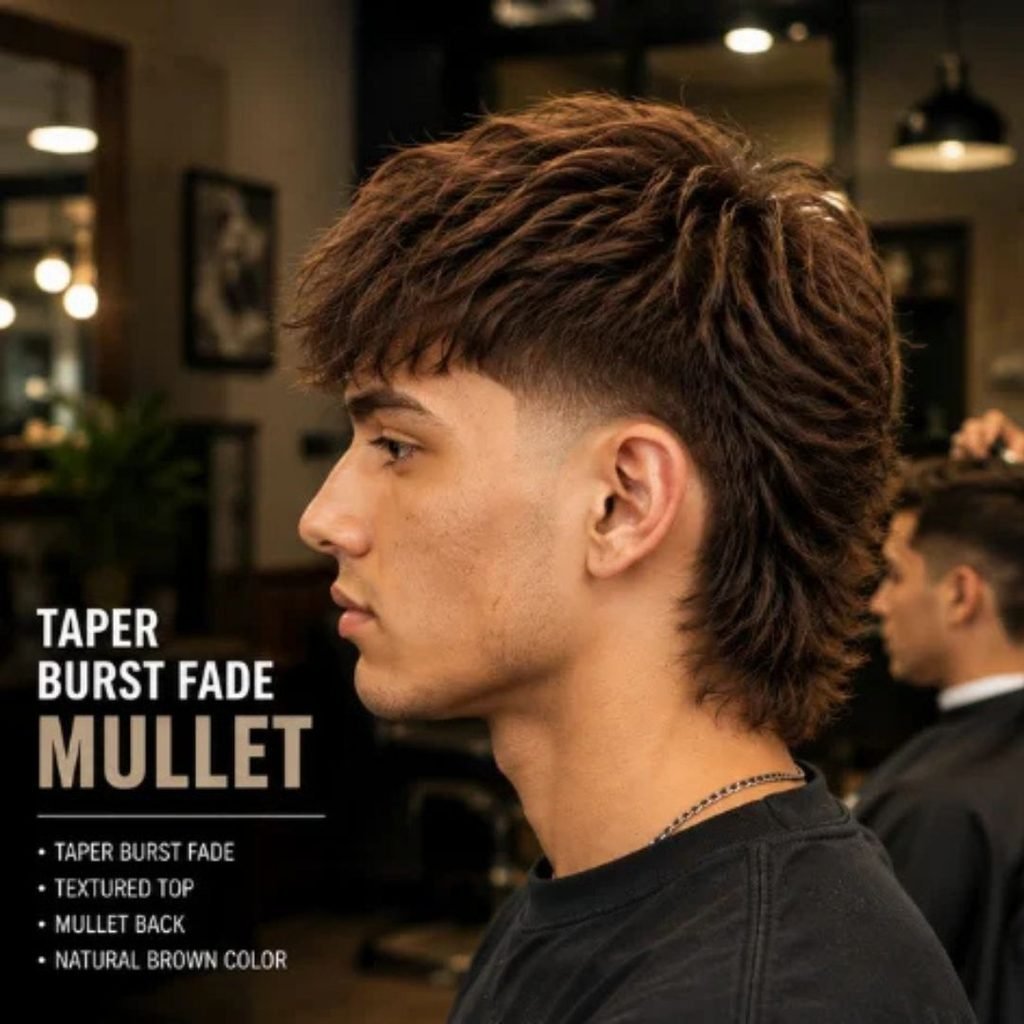
A gentler, more gradual fade than the skin or high versions, and a solid middle-ground pick if you like the idea of a taper fade but still want mullet length in back.
- Best for: guys who want contrast without going too bold
- Hair type: straight to wavy
- Maintenance: moderate
10. Drop Burst Fade Mullet
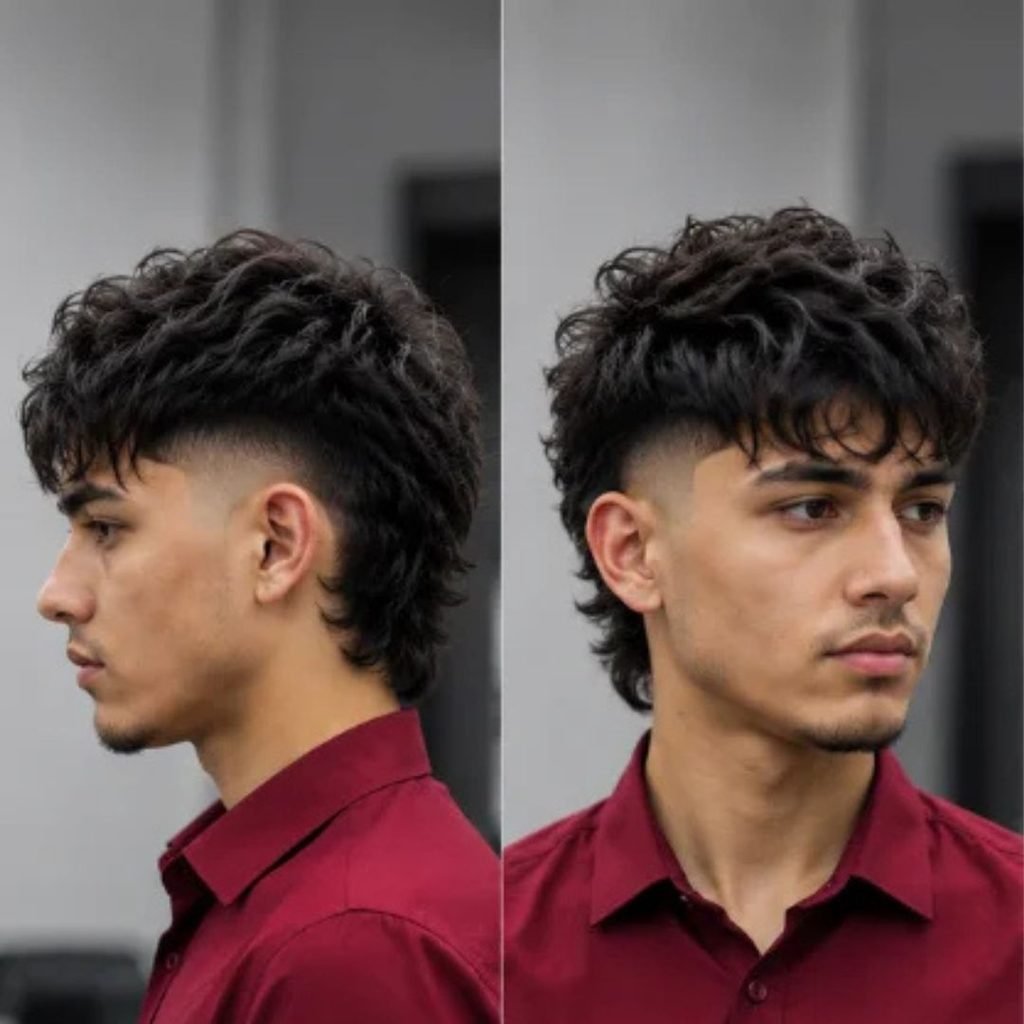
The fade line dips lower behind the ear, following the natural curve of the skull instead of running in a straight horizontal path. It’s a small detail that adds real shape and dimension.
- Best for: square and heart face shapes
- Maintenance: moderate to high, since the drop shape needs precise upkeep to stay defined
11. Burst Fade Mullet with Design
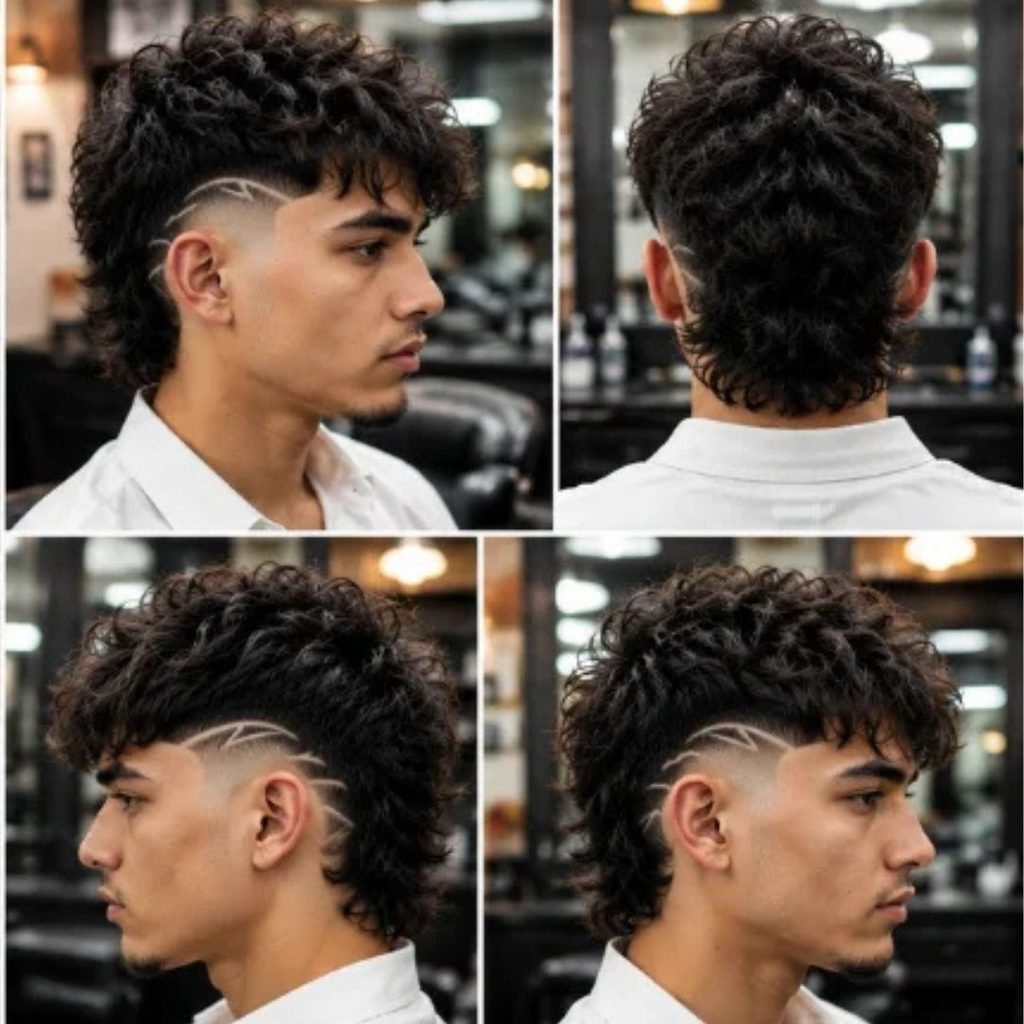
A shaved line or pattern cut into the fade adds a personal, custom touch to the haircut.
- Best for: guys who want to stand out further with a personalization detail
- Maintenance: high; designs grow out and blur faster than a plain fade
12. Undercut Burst Fade Mullet
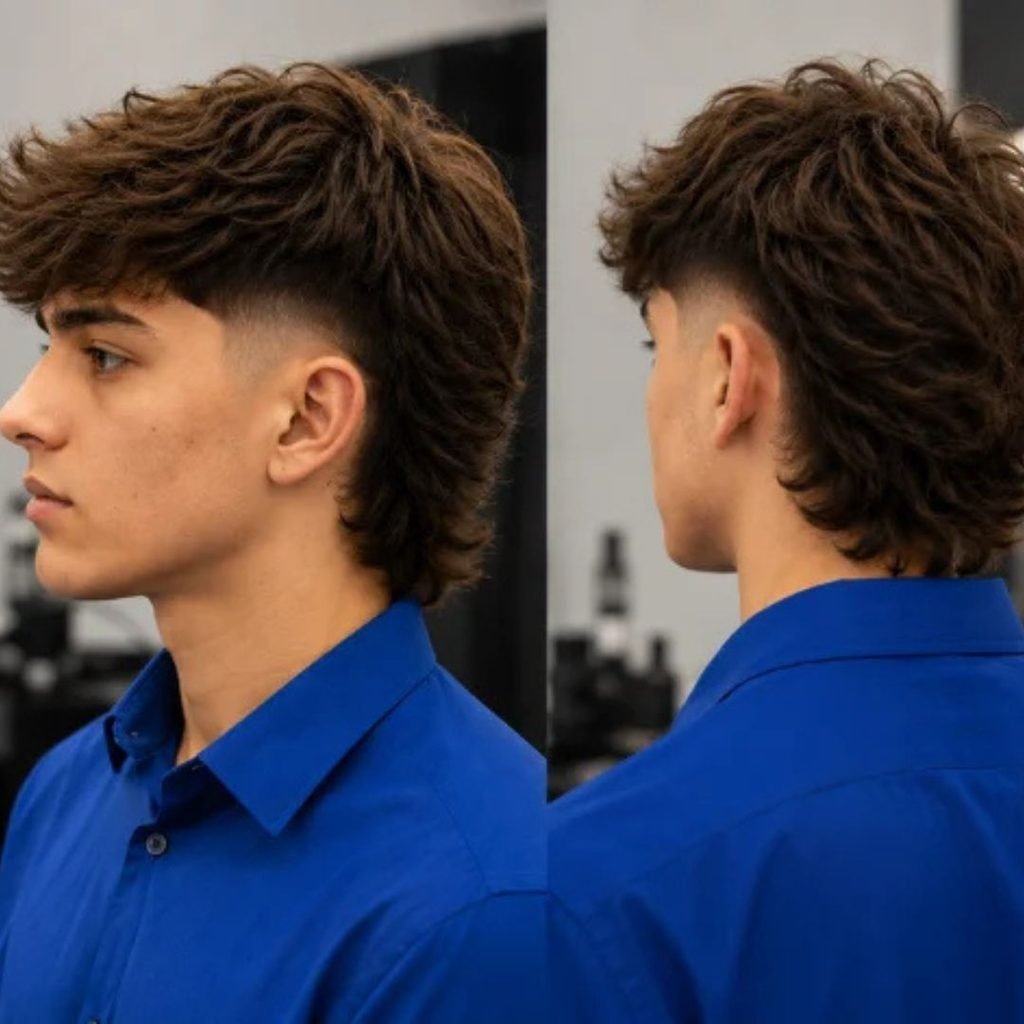
Combines a harder, more abrupt undercut line with the burst fade blend for even stronger contrast than a standard fade alone.
- Best for: guys who want maximum contrast with a slightly more graphic edge
- Maintenance: moderate to high
13. Fluffy Burst Fade Mullet
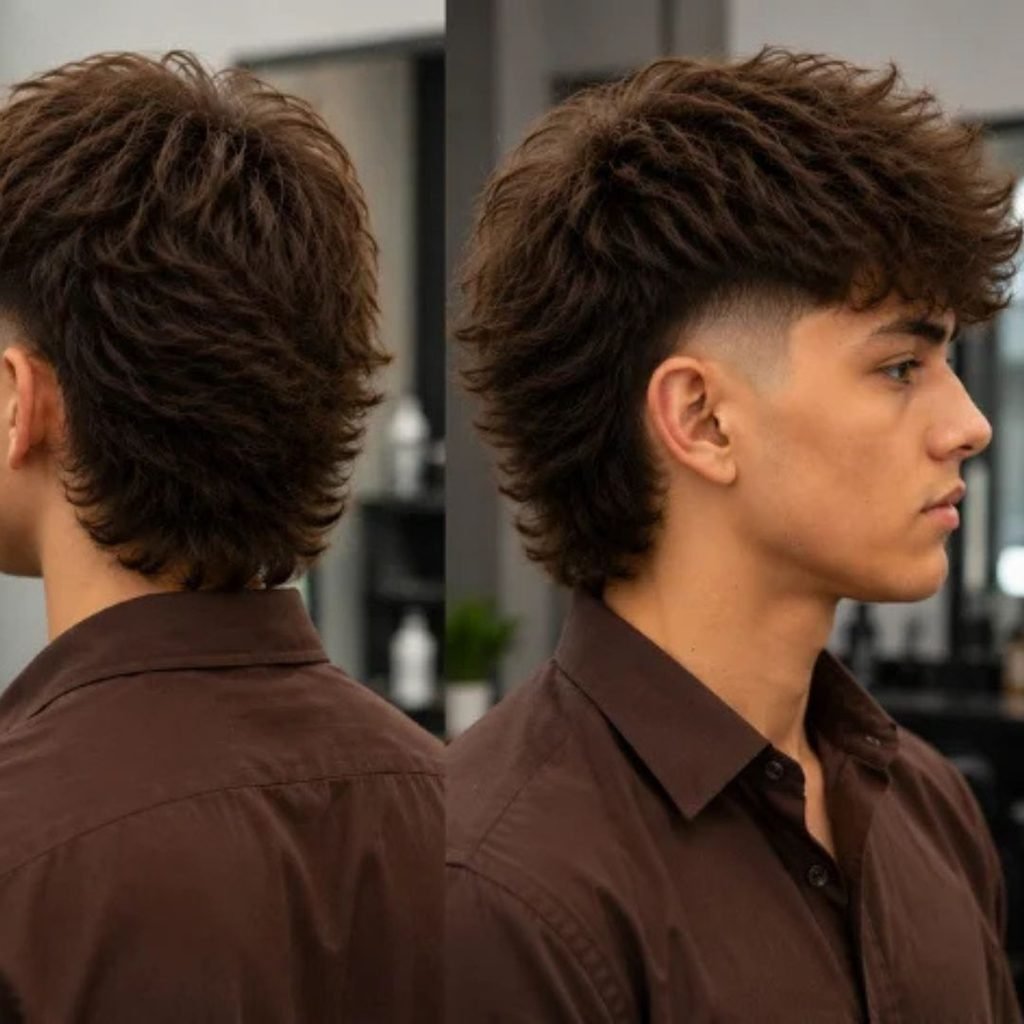
This one prioritizes softness and volume on top over sharp, defined texture, giving a rounder, fuller overall silhouette.
- Best for: long and square face shapes that benefit from added width up top
- Styling tip: a volumizing mousse keeps the top soft and full without weighing it down
14. Modern Burst Fade Mullet
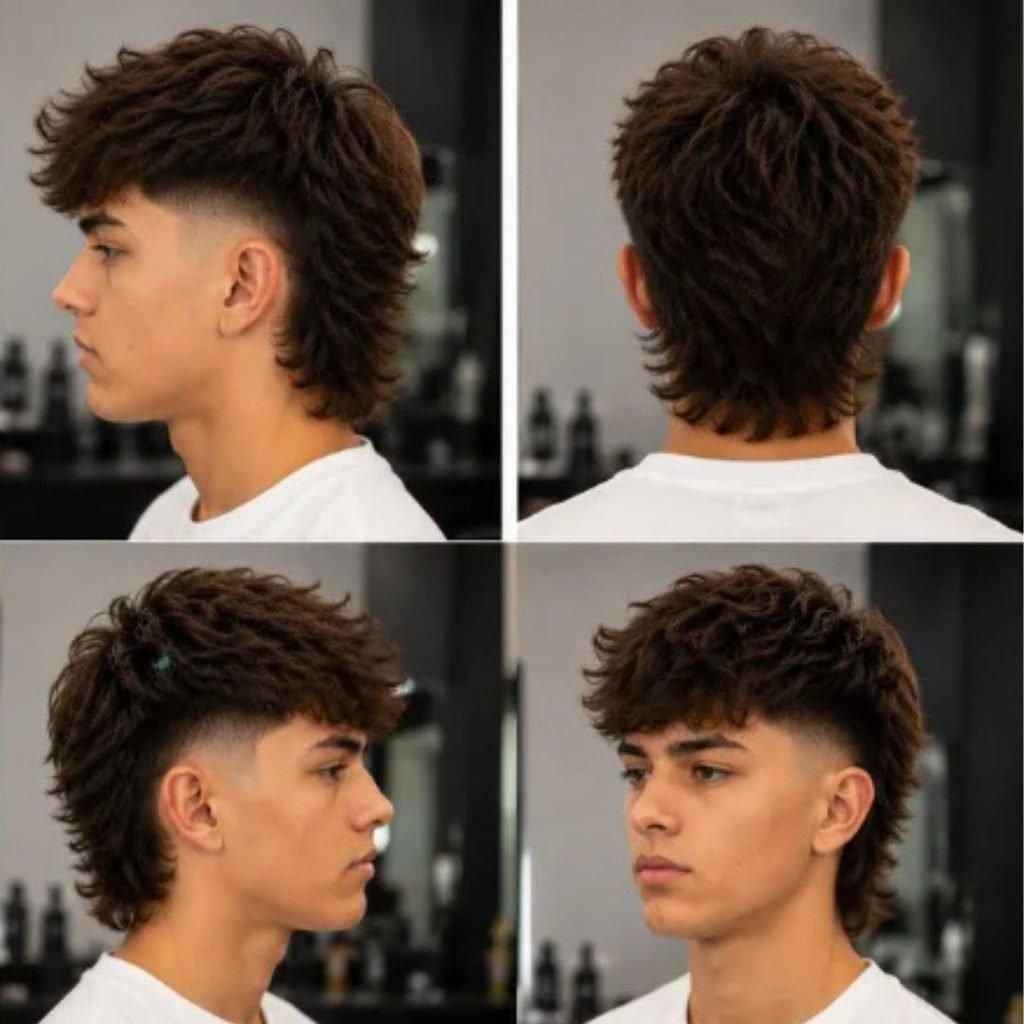
Think of this as the “everything refined” version: cleaner fade lines, more deliberate texture, and a more polished finish than the classic mullet it’s descended from.
- Best for: guys who want the mullet silhouette without a retro feel
- Barber tip: bring reference photos. “Modern” is subjective, and clear communication matters most for this style
15. Short Burst Fade Mullet
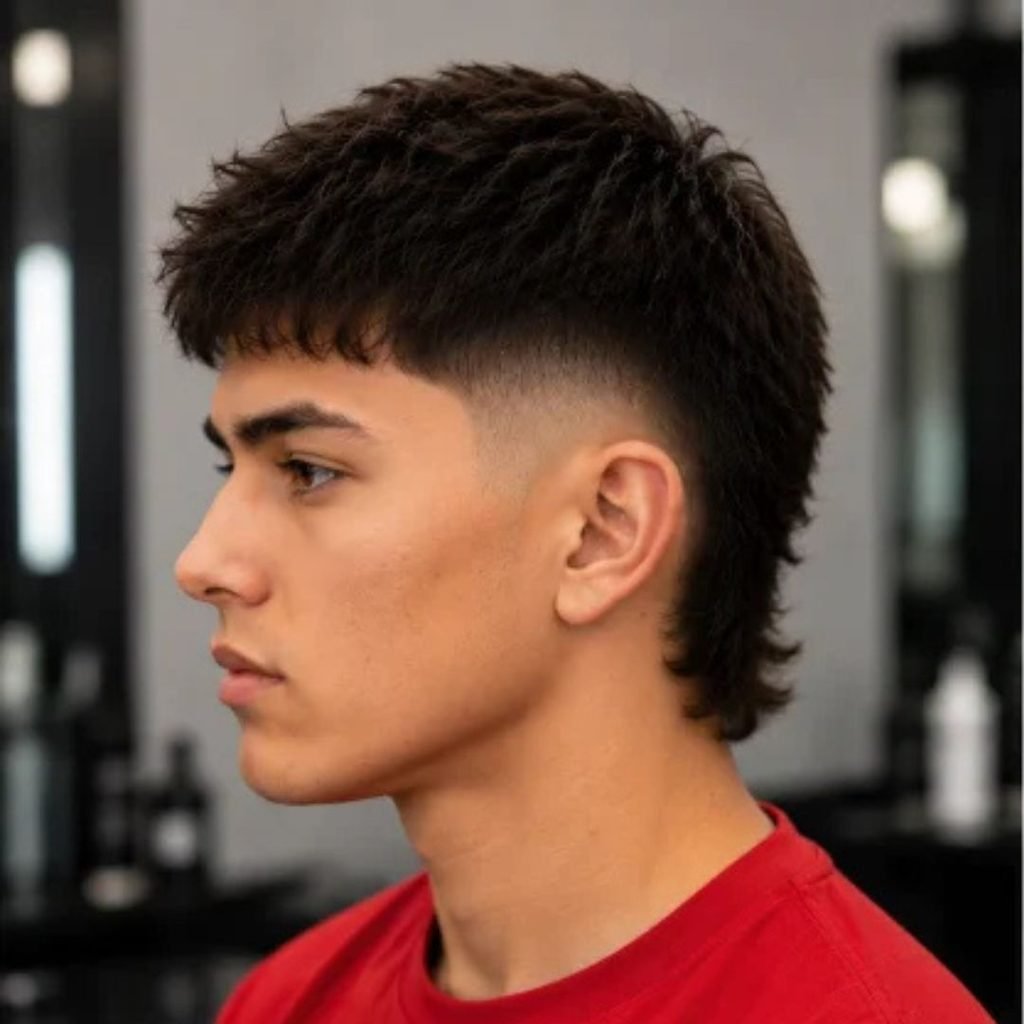
A practical, shorter take on the mullet shape for guys who want the silhouette without much daily upkeep. It pairs naturally with a tighter buzzed top.
- Best for: round and oval faces, low daily maintenance
- Maintenance: low overall
Burst Fade Mullet by Face Shape
- Oval: The most flexible shape for this cut; nearly every fade height and length works. A low or mid fade with moderate top length is a safe starting point.
- Round: Add height on top and keep the sides tight to elongate the face. A high or skin fade with a textured top works well; avoid a heavy fringe, which adds unwanted width.
- Square: Can handle bold contrast. A high or drop burst fade pairs naturally with strong jaw features. Keep the top softer and more textured to balance the angles.
- Diamond: Soften the cheekbone area with length or texture at the temples. A high fade with movement on top (rather than slicked back) tends to work best.
- Heart: Balance a narrower chin with volume kept lower and a soft front section or fringe. Mid fades read more balanced than high fades here.
- Long: Avoid extra height on top, which stretches the face further. A low or mid fade with a fuller, textured (not tall) top and a fringe helps shorten the proportions.
Burst Fade Mullet by Hair Type
- Straight: Holds the cleanest fade lines of any texture; the real decision here is fade height, not technique.
- Wavy: Adds natural movement with minimal effort; a curl-enhancing cream on damp hair is usually enough.
- Curly: Cut with shrinkage in mind. Ask your barber to work with dry or near-dry hair so the finished length matches expectations.
- Coily: Benefits from slightly more length on top, since shrinkage shows most at the crown. A high or skin fade creates strong contrast against tight coils.
- Thick: The fade earns its keep here by clearing bulk from around the ears; ask for texturizing with shears on top to manage weight.
- Thin/Fine: Volumizing products and slightly shorter overall length create the appearance of fullness. Skip heavy pomades, since they’ll flatten fine hair.
Modern Mullet Haircut vs. Traditional Mullet
| Feature | Burst Fade Mullet (Modern) | Traditional Mullet |
| Sides | Rounded burst fade around the ears | Longer, less faded |
| Style | Deliberately styled, current | Classic, retro |
| Maintenance | Regular trims to keep the fade sharp | Lower maintenance |
| Best for | A fresh, current look | A vintage or nostalgic feel |
If you want styling flexibility and a barbershop-fresh look, the burst fade version is the better call. If you’re after the low-fuss, retro version, a traditional mullet suits that better.
Step-by-Step Burst Fade Mullet Tutorial
- Pick your style. Decide between low, mid, high, textured, messy, or another variation based on your hair type and face shape.
- Bring reference photos. Clear images reduce miscommunication and help your barber nail the details.
- Set the fade height and back length together. These two decisions determine how bold or subtle the final look reads.
- Add texture if needed. Textured layers or extra volume help thick, curly, or wavy hair look fuller and more deliberate.
- Apply the right product. Wax, pomade, or texturizing spray keeps the cut in shape through the day.
- Book your next trim before you leave. Fades lose sharpness faster than most cuts, so staying on schedule keeps it looking fresh.
Best Styling Products for a Burst Fade Mullet
| Product | Hold | Finish | Best Hair Type |
| Wax | Medium | Natural | Straight, wavy |
| Clay | Strong | Matte | Thick, textured |
| Pomade | Medium to strong | Sleek, shiny | Straight, thick |
| Sea salt spray | Light | Textured, tousled | Wavy, curly |
| Texture powder | Light | Matte, volumized | Fine, thin |
Common mistake: using pomade on fine or thin hair. It weighs the hair down and flattens the volume you’re trying to build, so reach for texture powder or a light mousse instead.
Weekly Care Routine
- Wash 2 to 3 times a week with a sulfate-free shampoo to avoid stripping the oils that keep the fade looking healthy.
- Condition the longer back section every wash once it passes collar length, since it dries out faster than the faded sides.
- Detangle before styling rather than after, especially on curly or wavy hair, to cut down on breakage.
- Reactivate product with a bit of water instead of piling on more each day.
Maintenance Schedule
| Fade Height | Recommended Trim Frequency |
| Low burst fade | Every 4 to 5 weeks |
| Mid burst fade | Every 3 to 4 weeks |
| High or skin burst fade | Every 1 to 2 weeks |
| Back/mullet length | Trim ends every 8 to 12 weeks |
Barber Tips for the Perfect Burst Fade Mullet
- Ask your barber to show you the fade line in a mirror before it’s fully blended; it’s easier to adjust height at that stage.
- If you’re growing a shorter cut into a mullet, say so upfront so the back is shaped to guide the growth.
- For curly or coily hair, ask whether your barber cuts wet or dry, since the results can differ noticeably.
- Book your next appointment before leaving the chair to stay ahead of the fade growing out.
Common Mistakes to Avoid With a Burst Fade Mullet
- Picking the wrong fade height for your face shape. Match the height to the guidance above rather than going with what looks trendy in a photo.
- Ignoring your natural texture. Curly and straight hair need different cutting approaches; a barber unfamiliar with your texture can misjudge the length.
- Overusing product. A small amount goes a long way; too much makes hair look greasy rather than textured.
- Skipping trims. This is the single biggest reason the cut stops looking sharp.
- Vague communication. “Modern mullet” means different things to different people, so bring photos and be specific about fade height and back length.
Frequently Asked Questions
What makes a burst fade mullet different from a regular mullet?
The rounded fade around the ears gives it a cleaner, more contemporary look. A regular mullet typically has longer, unfaded sides.
Is a burst fade mullet suitable for all hair types?
Yes. It can be adapted for straight, curly, thick, and wavy hair with adjustments to cutting technique and styling.
Which fade height should I choose?
It depends on your face shape and how much contrast you want. Low fades read subtle; mid and high fades create a bolder look.
How often do I need to get it trimmed?
Most versions need a trim every 2 to 4 weeks to keep the fade looking sharp, with fade height determining exactly how often.
Is it appropriate for work?
A low or mid fade with a moderate back length usually reads as fairly professional. A high fade, shaved design, or long back leans more casual, so check your workplace’s grooming policy if unsure.
Can I grow a shorter haircut into a burst fade mullet?
Yes. Just tell your barber your goal so they can shape the back to guide the growth instead of cutting it like a standard short style.
Wrapping Up
The burst fade mullet earns its popularity by solving a real problem: it lets you keep length and personality at the back without sacrificing a sharp, modern side profile. With 15 variations to choose from, spanning fade height, hair texture, and styling approach, there’s a version here that fits nearly any face shape or hair type.
Before your next barber visit, use the face-shape and hair-type sections above to narrow down your pick, save a couple of reference photos, and be specific about fade height and back length. That bit of prep is what separates a haircut you have to explain from one that speaks for itself.

Ahmad is a men’s hairstyle writer and grooming content specialist at HairWhizz.com, specializing in hair designs, haircut variations, and modern men’s hairstyles. He researches professional barbering techniques, current hairstyle trends, and trusted grooming resources to create practical, easy-to-follow haircut guides. Ahmad regularly reviews and updates his articles to ensure every guide remains accurate, up to date, and genuinely helpful for readers planning their next visit to the barber.
All articles published on HairWhizz.com follow our editorial standards and are reviewed regularly to ensure accuracy, freshness, and reader value.


1 thought on “Burst Fade Mullet: 15 Trendy Styles for Men in 2026”