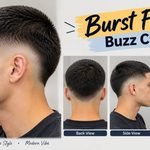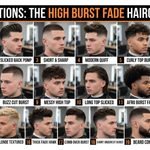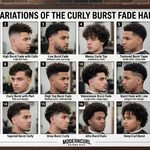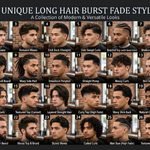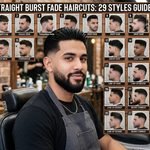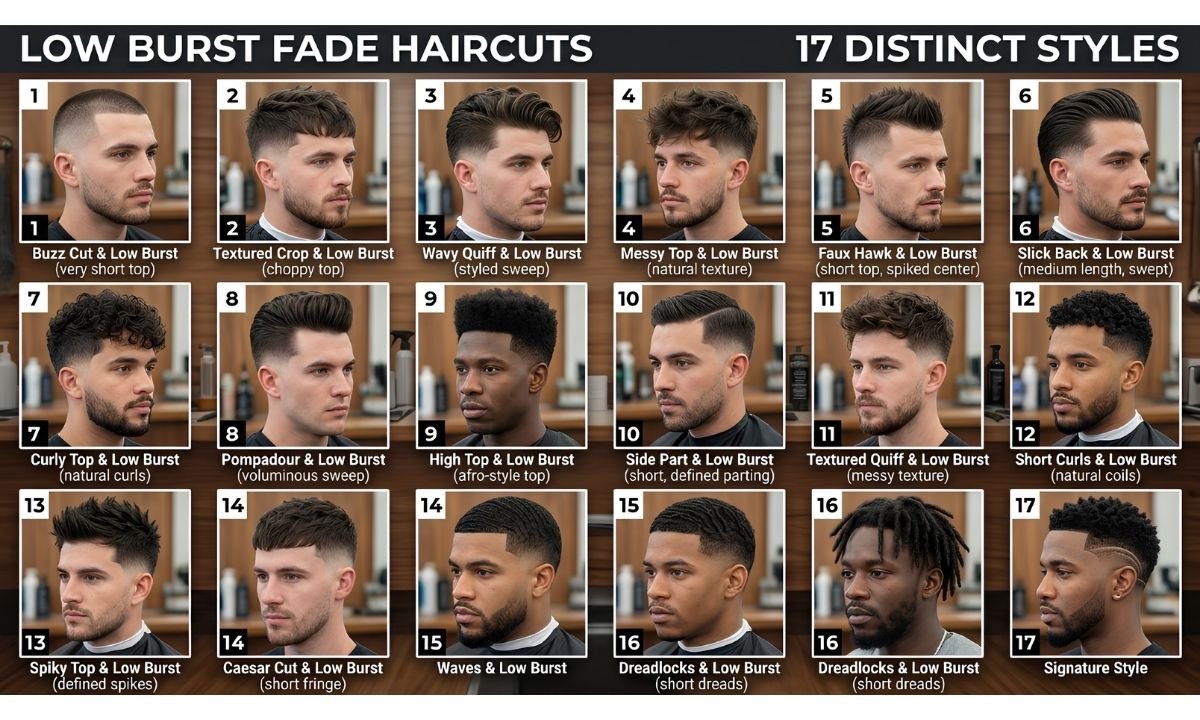
A low burst fade haircut is a fade that starts low around your ear and curves back instead of shooting straight up the side of your head. That curve is the whole point. It gives you a softer blend than a high fade, works with almost any hair type, and doesn’t demand a barbershop visit every two weeks.
If you’ve been scrolling through low burst fade styles trying to figure out which one fits your face, your hair, or your job, you’re in the right spot. We’re going to break down what this cut actually is, how it stacks up against other fades, sixteen real style options, and exactly how to ask for it without getting a version you didn’t want. No jargon you don’t need. No filler. Just what you’d want to know before you sit in the chair.
What Is a Low Burst Fade Haircut?
Picture a fade that starts right around the top of your ear and arcs backward like a wave, instead of a straight line marching up the side of your skull. That arc is called a burst, and when it starts low, you get the low burst fade haircut. More hair stays at your temples compared to a mid or high fade, which softens the whole look.
Here’s why guys keep asking for it. It pairs cleanly with a beard because the fade line naturally meets your facial hair without a weird gap. It also works across nearly every hair type, whether you’ve got curls, waves, straight strands, or something thick and coarse.
The word “burst” throws people off at first. It just means the fade curves around your ear instead of cutting a hard line straight up. Think of it like a wave breaking on a shore instead of a wall going straight up. That curve is what gives this cut its shape.
Low Burst Fade vs. High Burst Fade vs. Mid Burst Fade
All three of these share the same curved shape. The only thing that changes is where the fade actually starts on your head. Get that part wrong when talking to your barber, and you’ll walk out with a totally different look than you wanted.
A low taper burst fade begins right around or just above your ear, which gives you the softest, most gradual transition of the three. A mid burst fade starts halfway up the side, above your temple, landing somewhere between subtle and bold. A high burst fade starts near the top of your head, close to the parietal ridge, and delivers the sharpest, most dramatic contrast.
| Feature | Low Burst Fade | Mid Burst Fade | High Burst Fade |
| Starting point | Around the ear | Above the temple | High on the side |
| Visual contrast | Soft and gradual | Moderate | Sharp and bold |
| Best for | Office settings, first fades | Everyday balance | Statement looks |
| Trim frequency | Every 3 to 4 weeks | Every 2 to 3 weeks | Every 2 weeks |
| Grows out gracefully | Yes, the most forgiving | Somewhat | Least forgiving |
If you’ve never had a fade before, start low. It’s the most forgiving of the three, and you can always ask your barber to raise it next visit if you want more contrast. Already know you want that sharper look? Go read up on the high burst fade instead. This guide sticks to the low version.
What’s Driving the Low Burst Fade Trend in 2026?
Ask a handful of barbers why this cut keeps showing up in appointment books, and you’ll hear some version of the same answer. It photographs well, it grows out well, and it doesn’t punish you for skipping a week at the shop. A high fade starts looking rough after two weeks. A low burst fade haircut 2026 style can coast for three or four.
That matters more than people give it credit for. Most guys don’t want to plan their calendar around a haircut. They want something that looks intentional on day one and still looks fine on day twenty.
There’s also a shift happening with who’s asking for it. Guys walking into their first-ever fade appointment are steered toward the low version because it’s the safest starting point. Men in client-facing jobs want something that reads as sharp, not trendy. And guys with thicker or curlier hair like that it controls the sides without flattening the volume up top.
Who Should Get a Low Burst Fade Haircut?
This cut isn’t for everybody, and that’s fine. Knowing whether it fits you before you sit down saves everyone a headache. Here’s a quick gut check.
This cut is a strong fit if you:
- Want something that reads as professional, not edgy
- Have curly, coily, or thick hair and want the sides controlled without a huge contrast jump
- Wear a beard and want a fade that blends into it without a visible seam
- Don’t want to be back in the barber’s chair every two weeks
- Are getting your first fade and want the most forgiving version while it grows out
If you’re chasing maximum contrast between your sides and top, this probably isn’t your cut. That’s what the high burst fade is for. No shame in wanting drama, just know which guide to read next.
Pros and Cons of a Low Burst Fade Haircut
Every haircut is a trade-off, and this one’s no different. Knowing the downsides ahead of time means you won’t be surprised in the mirror later. Here’s the honest breakdown.
Pros:
- Softest, most forgiving regrowth of any fade height
- Reads as formal and workplace-appropriate
- Works with nearly every natural hair texture out there
- Blends cleanly into a beard
- Stretches to three or four weeks between trims
Cons:
- Less dramatic contrast than a mid or high fade
- Can look a little safe if you’re after a bold statement
- Some barbers default to it without asking, so speak up about placement
- Doesn’t show off intricate hair design work as well as a higher fade line
- Sits close to the ear, so mention it if you want extra care around larger ears
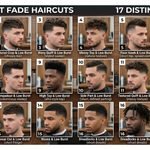
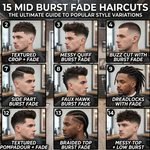
17 Low Burst Fade Haircut Ideas for Men
Every style below starts with the same low burst fade base. What changes is the top, the texture, or the finish. Screenshot the one you like and show your barber. It removes almost all the guesswork.
1. Classic Low Burst Fade
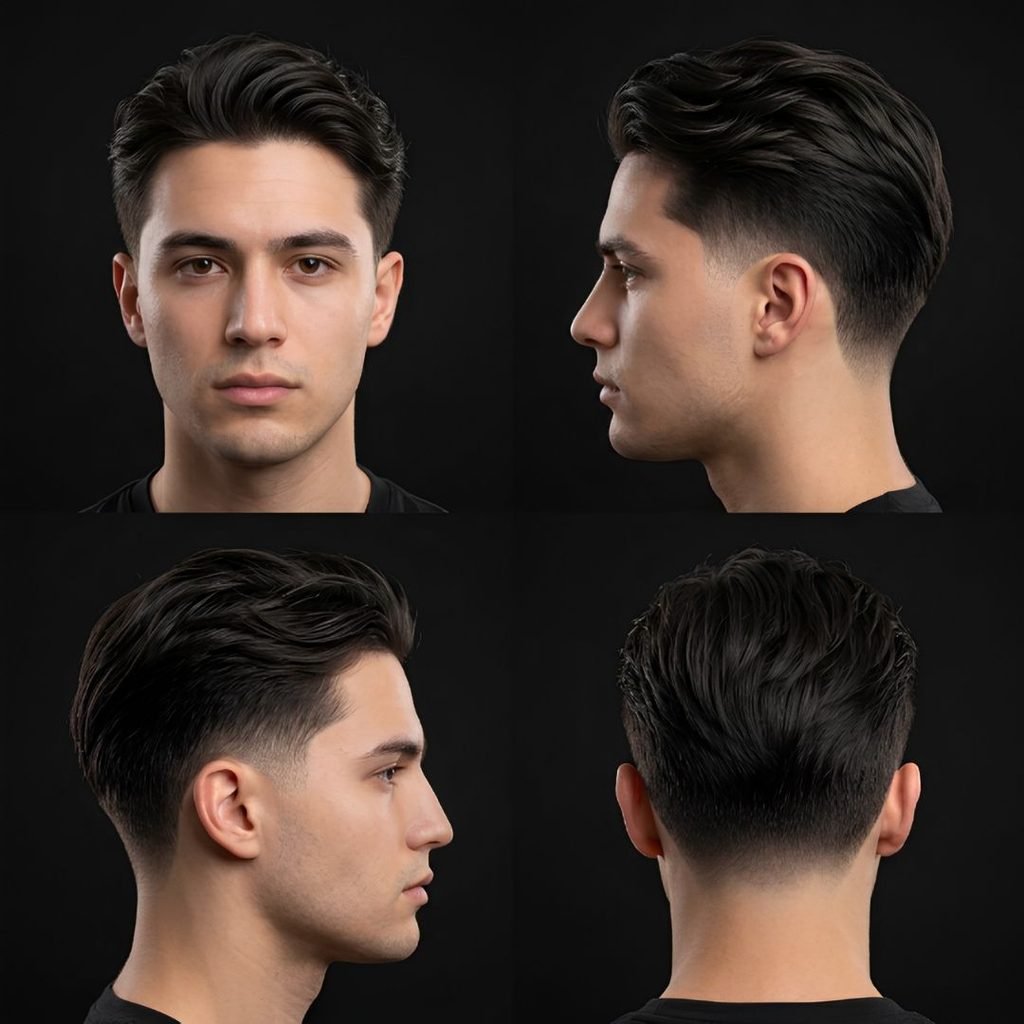
This is the baseline everyone starts from. Sides fade low and clean, and the top stays a uniform, slightly longer length without any dramatic texture work. If you’re not sure what else you want yet, ask for this one first.
It’s the safest entry point into fades, period. You can always build texture or length on top of this base later without redoing the whole cut. Pair it with a matte pomade if you want a natural, not-too-shiny finish.
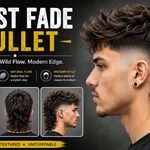
2. Low Burst Fade Mullet
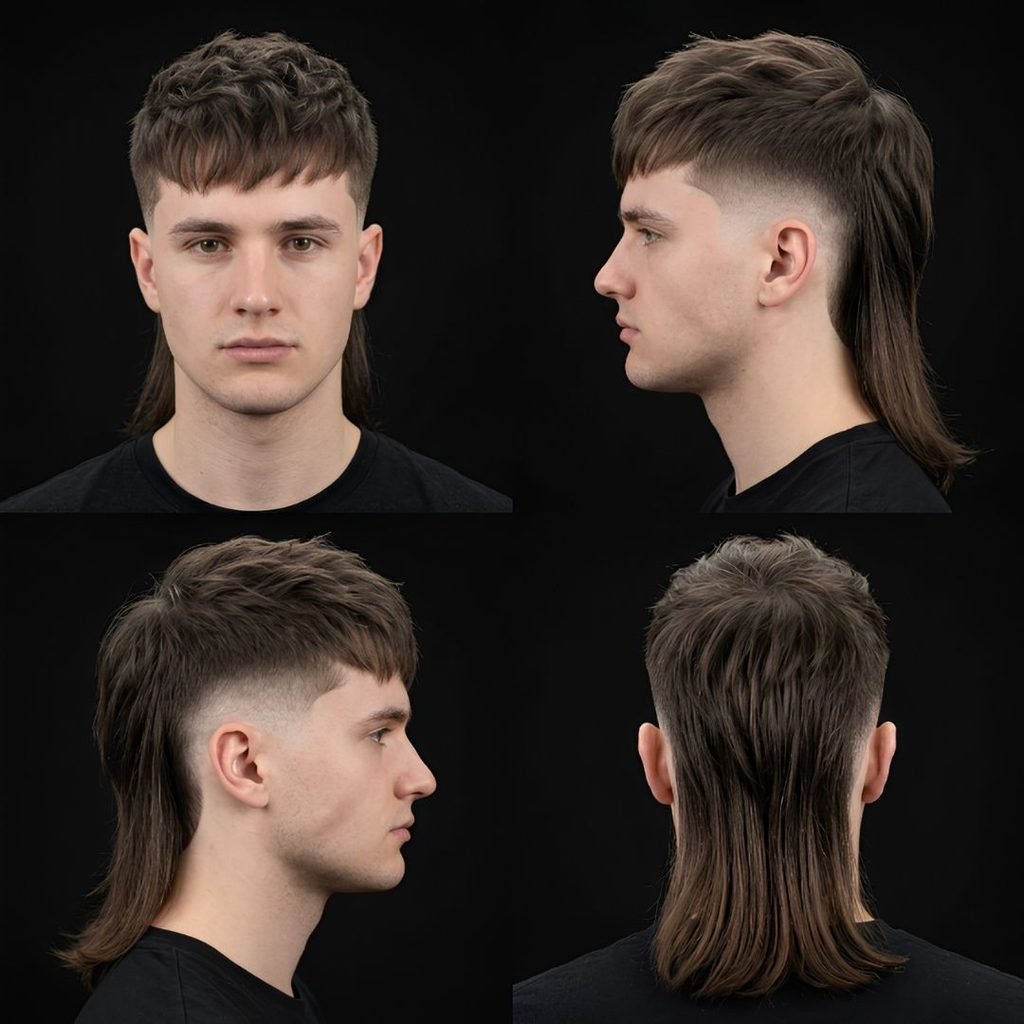
Short, tightly faded sides meet noticeably longer hair left at the back. The low fade keeps the front restrained enough that the length at the back reads as a choice, not something that just grew out unchecked. It’s a bolder pick, but the fade underneath keeps it grounded.
A texturizing spray on the back section helps define the shape without making it look stringy. This one turns heads without needing a shaved design or bright color to do it. Good option if you want something with personality but not full commitment to a mohawk.
3. Curly Low Burst Fade
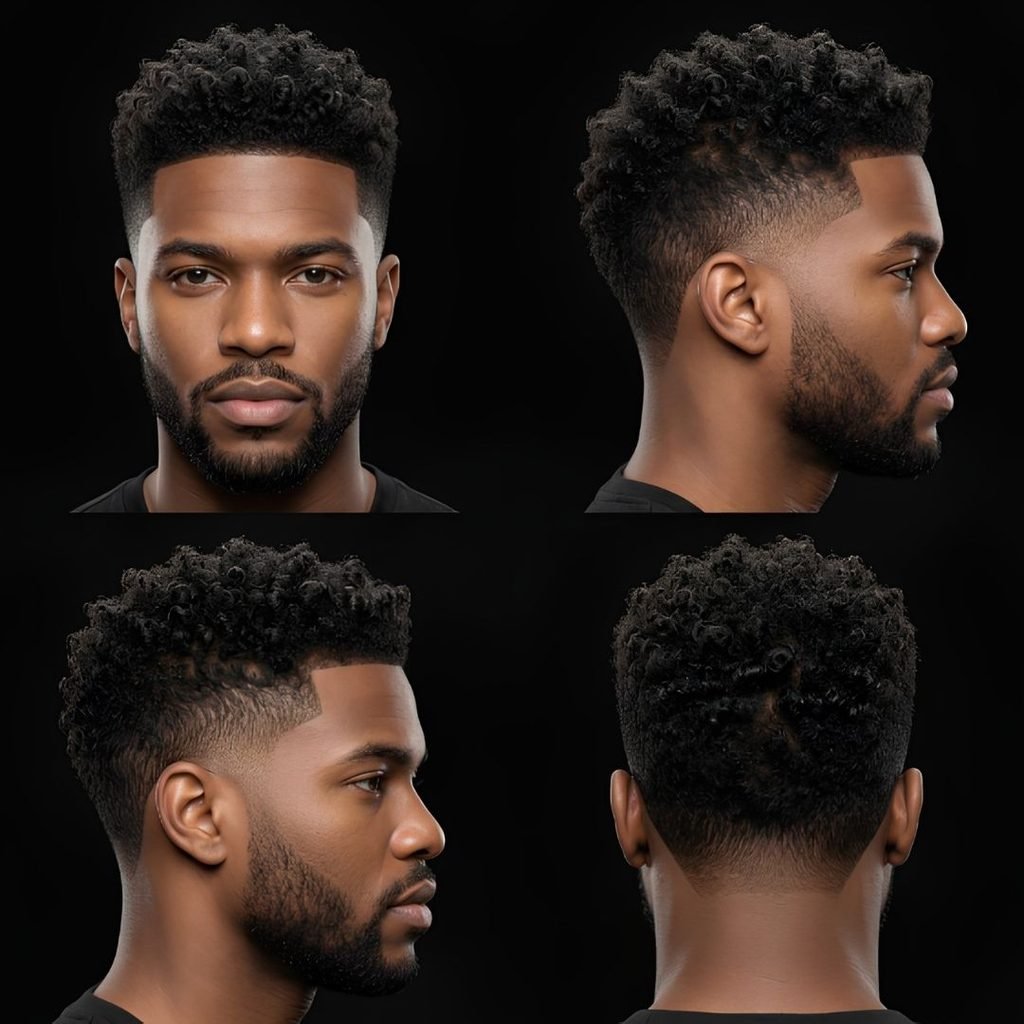
Curls need an edge to grow from, and the low burst fade with curly hair combo gives them exactly that. The fade line stays defined even as the curl pattern does its own thing on top, so the whole look reads as shaped rather than uncontrolled. This is one of the strongest picks for tight to medium curl patterns specifically.
Curl cream or a leave-in conditioner keeps frizz down and the curls looking soft instead of crunchy. A low fade doesn’t fight your natural curl shrinkage the way a high fade sometimes can. If your curls have ever looked “messy” in past cuts, this is usually the fix.
4. Straight Hair Low Burst Fade
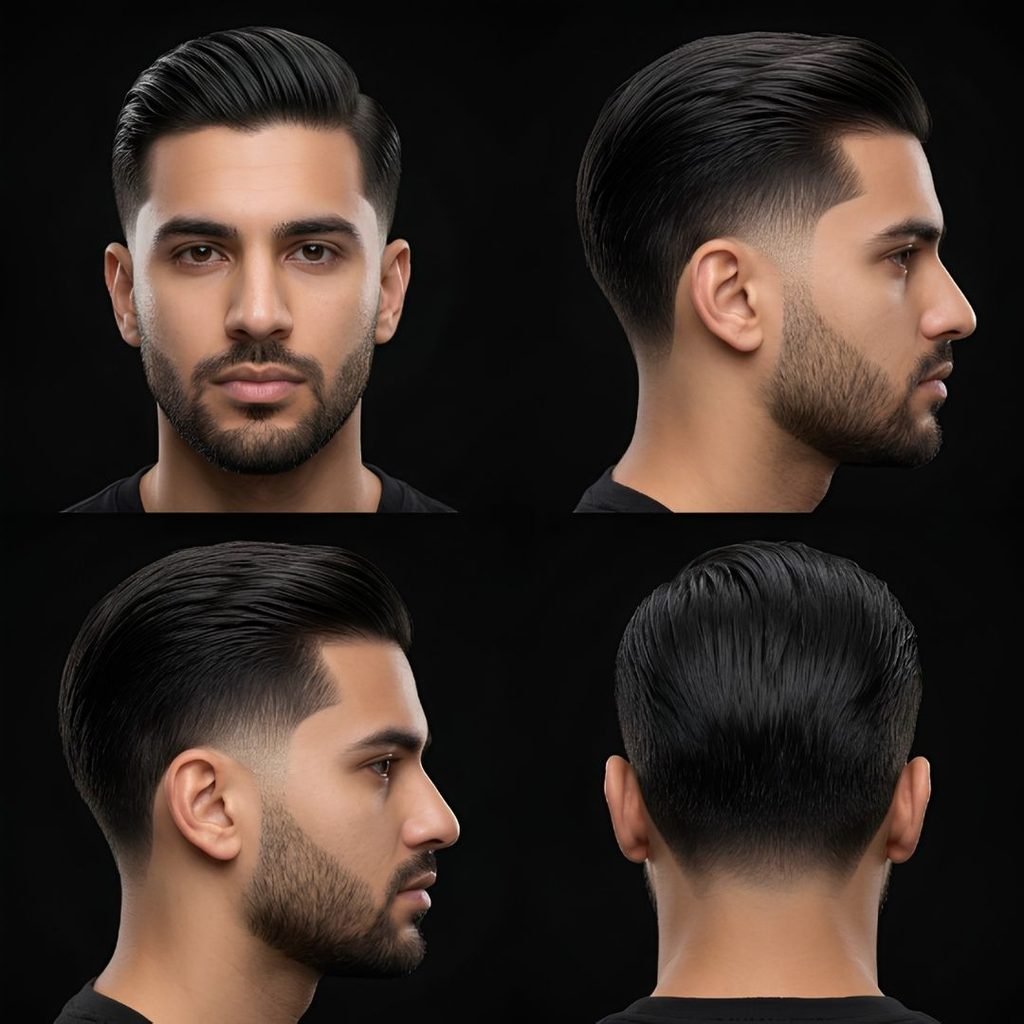
Straight strands show off a clean fade line better than any other texture, full stop. That means precision matters here more than product does. Ask your barber to slow down specifically at the blend zone, since low burst fade with straight hair reveals a rushed job faster than curlier textures ever will.
A small amount of pomade or wax at the end keeps things neat without weighing the top down. There’s nowhere to hide a sloppy fade line on straight hair, so this is worth the extra five minutes in the chair. Ask to see the fade in a mirror before you leave if you’re picky about the details.
5. Textured Low Burst Fade
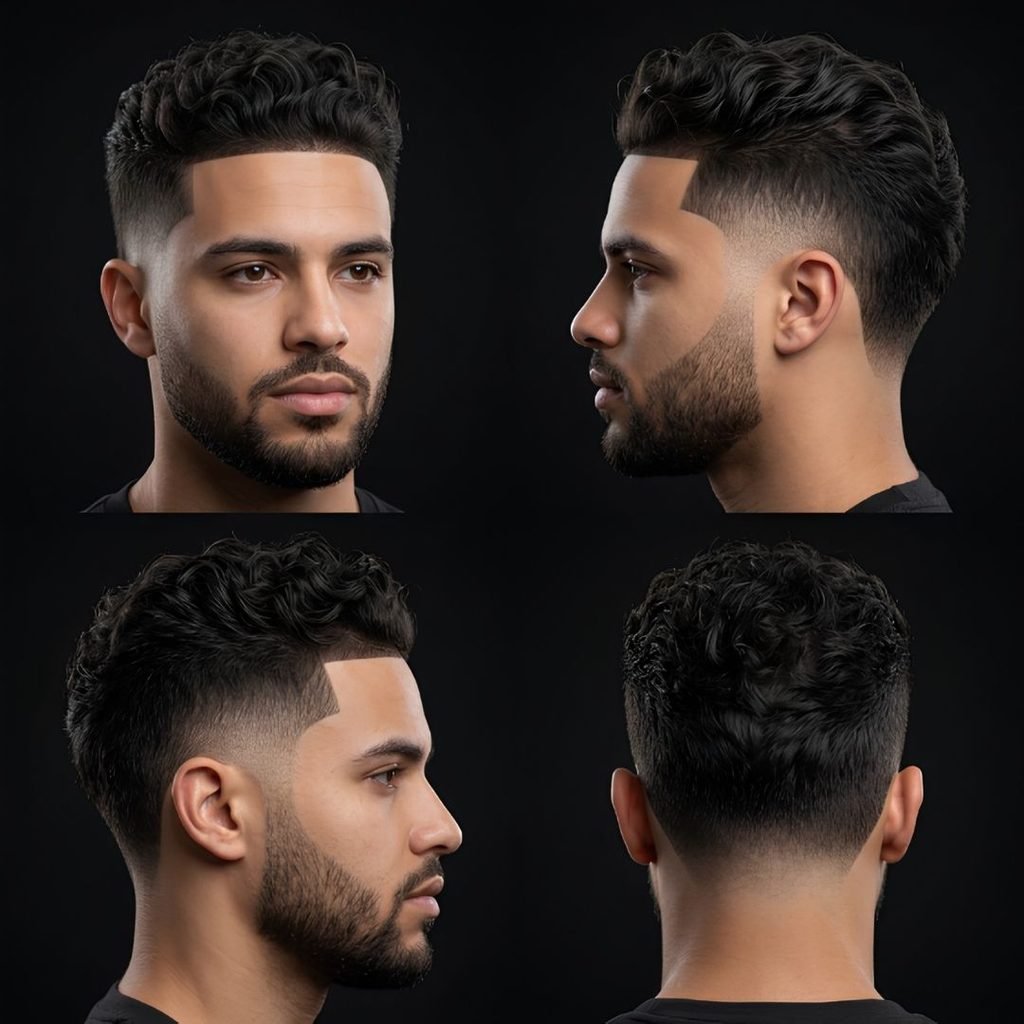
Point cut or texturized ends on top add movement without adding actual length. The low fade underneath keeps the whole thing from looking busy or unfinished. This is the pick if you want something that looks good five minutes after you roll out of bed.
Matte clay or a sea salt spray builds texture and hold without the greasy shine some pomades leave behind. It’s low effort, high payoff. Great choice for guys who don’t want a morning routine but still want to look pulled together.
6. Short Low Burst Fade
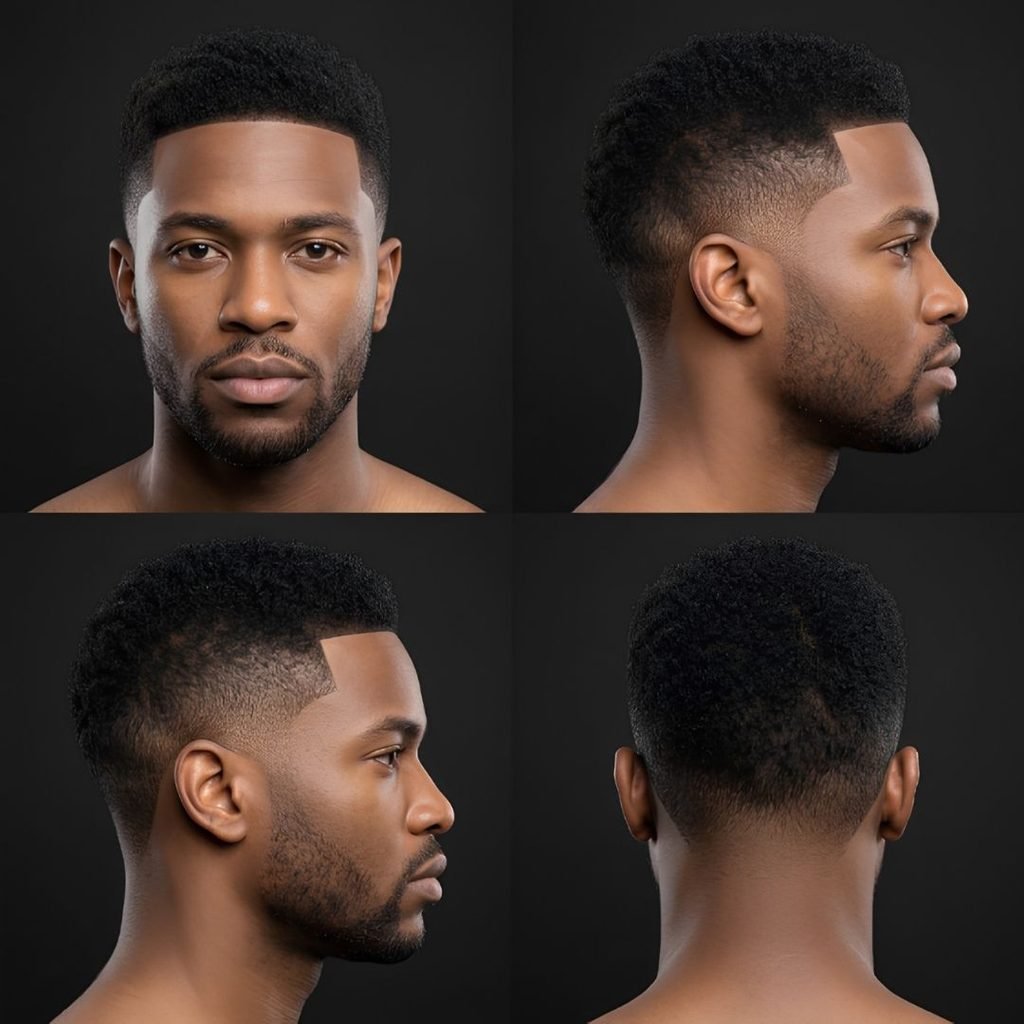
Everything stays tight here. Short top, tight low fade, minimal fuss. This is the lowest maintenance version on the whole list, which makes it perfect for hot climates or anyone who just wants a haircut they don’t have to think about. Trim every two to three weeks and you’re set.
There’s not much styling required beyond a quick towel dry. It’s the haircut equivalent of a reliable pair of sneakers. Not flashy, always works. Good pick if you’re active, sweat a lot, or just want simplicity.
7. Low Burst Fade with Beard
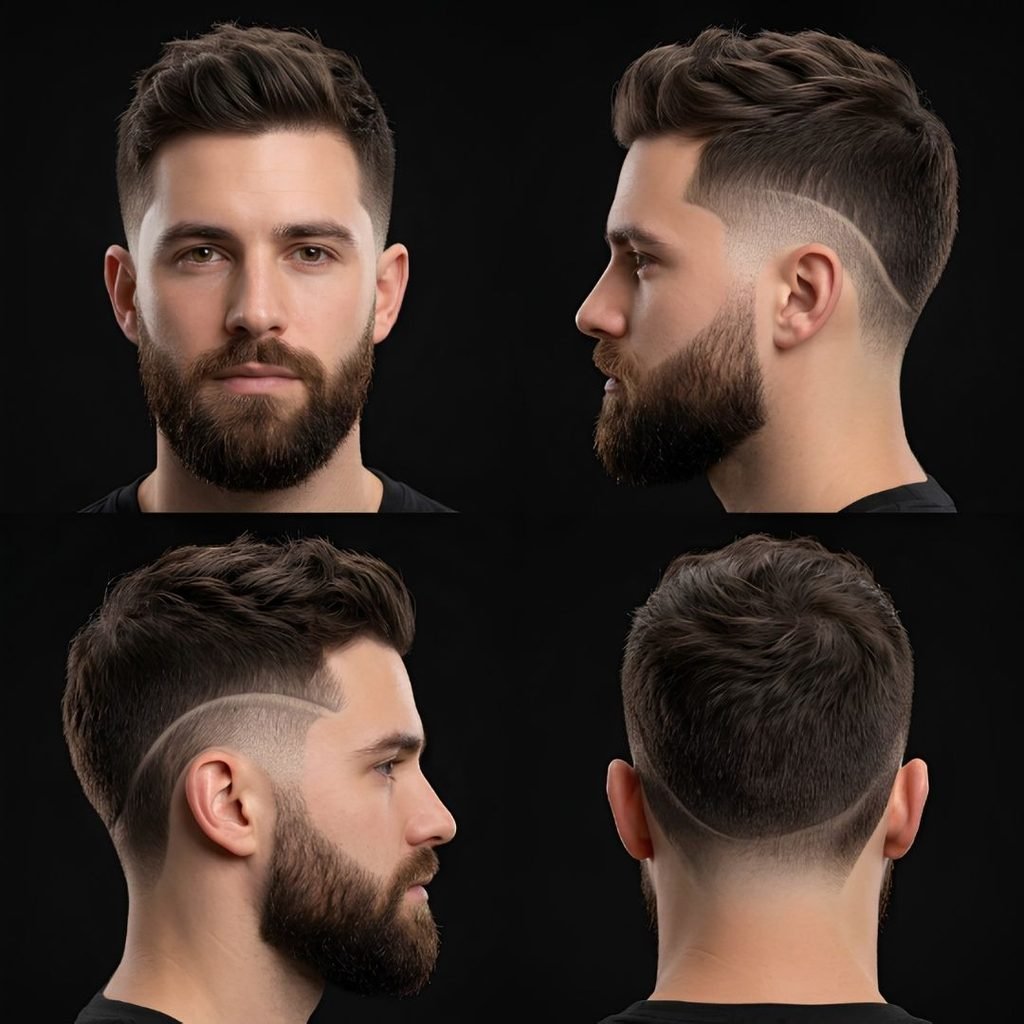
The low fade line meets a full or medium beard without leaving a visible seam between the two, which is exactly why low burst fade with beard pairings get requested so often. Ask your barber to blend both the fade and the beard in the same appointment. Doing them separately, on different days, is how you end up with a mismatch nobody’s happy about.
Beard oil keeps things looking healthy between trims. Trim both on the same schedule going forward so the blend line doesn’t drift out of alignment over time. This combo is one of the most requested looks for guys who already keep facial hair.
8. Messy Low Burst Fade
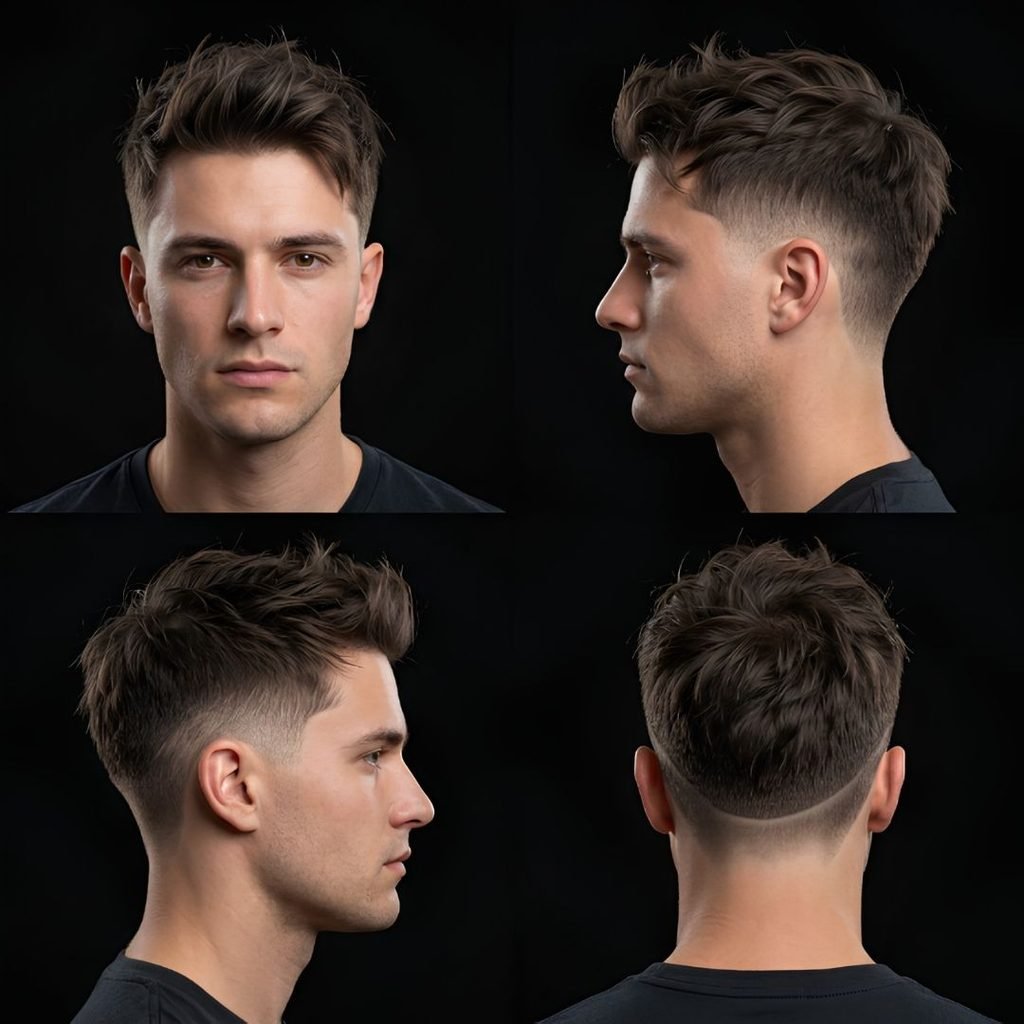
Deliberately undone texture up top against a clean, controlled fade at the sides is the whole appeal here. The contrast is the point. Messy on top, sharp on the sides. Let the fade grow out too far, though, and that contrast disappears fast.
A light amount of matte clay creates texture without making hair feel stiff or crunchy. Less product is more with this one. Overdo it and the “messy” look starts looking greasy instead of effortless. Keep the fade fresh and this style basically styles itself every morning.
9. Low Burst Fade Mohawk
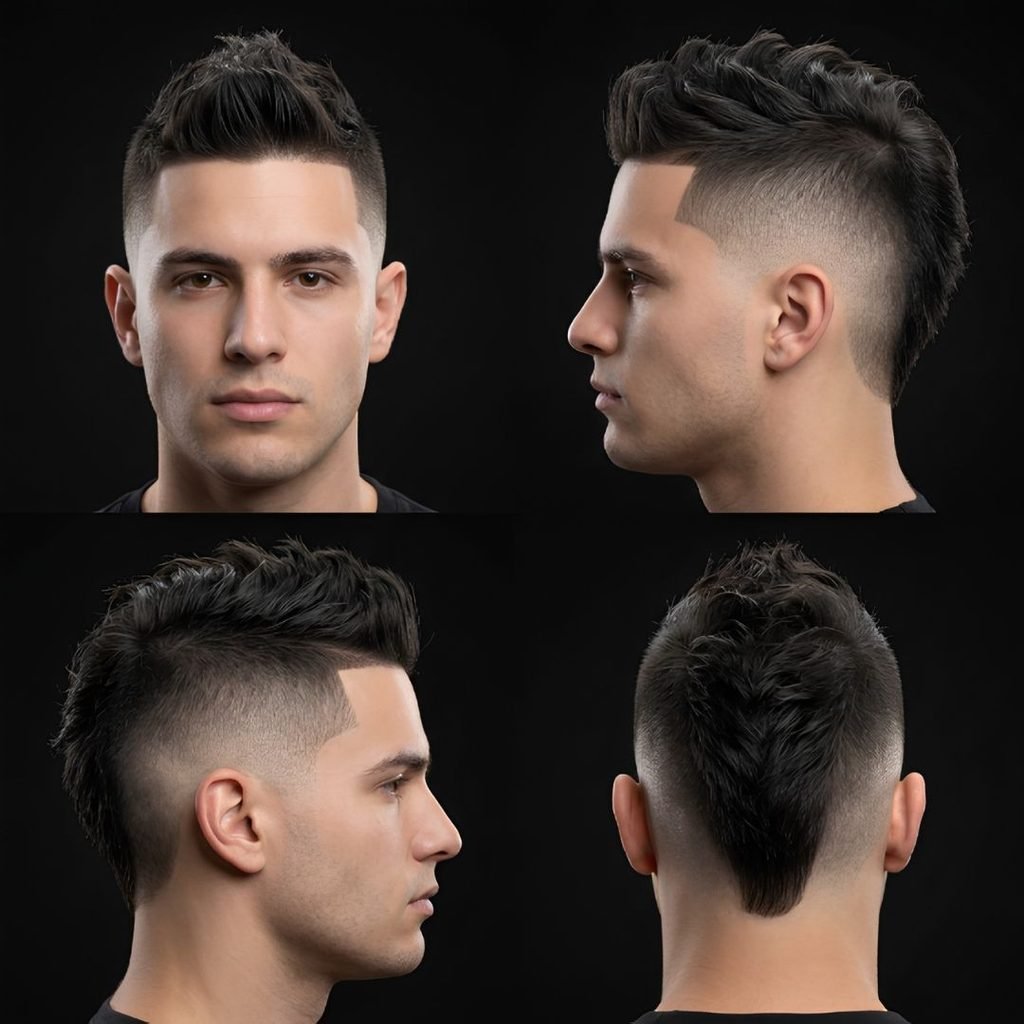
A strip of longer hair runs down the center while both sides fade low and tight. This is a bigger commitment than most cuts on this list, so talk through the exact width of that center strip with your barber before the clippers come out. Once it’s gone, it’s gone.
A strong hold gel keeps the mohawk shape locked in through the day. It’s a statement cut, no question, but the low fade underneath keeps it from tipping into costume territory. Good pick if you want edge without going full high-contrast punk look.
10. Low Burst Fade with Design
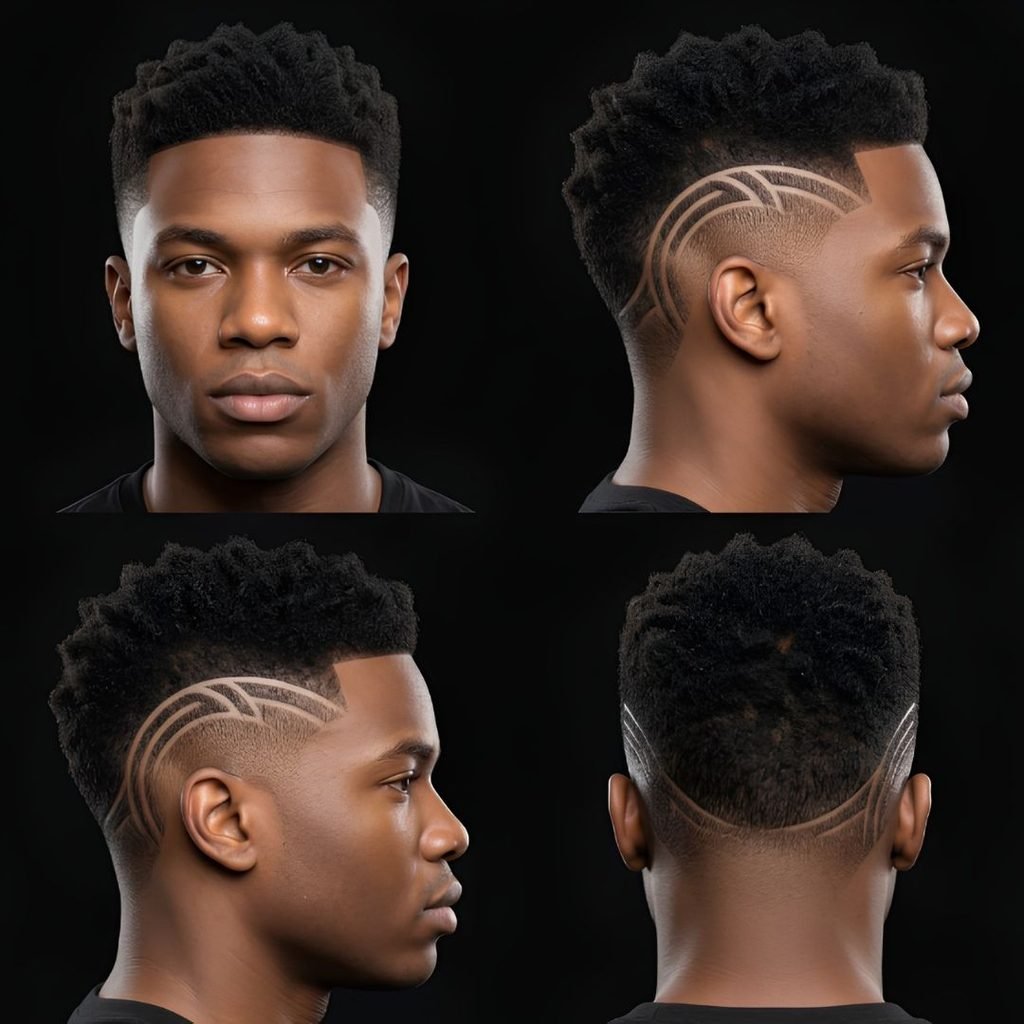
A shaved line, pattern, or small logo cut right into the fade zone itself. Because the low fade sits close to your ear, there’s less real estate to work with than on a higher fade, so keep any hair design simple. Intricate patterns need more surface area than a low fade typically gives you.
Refresh the design regularly, since it grows out and blurs faster than the fade line around it. This works best as a subtle detail, not the whole story of the haircut. Ask your barber for a design that matches the curve of the burst rather than fighting against it.
11. Buzz Cut Low Burst Fade
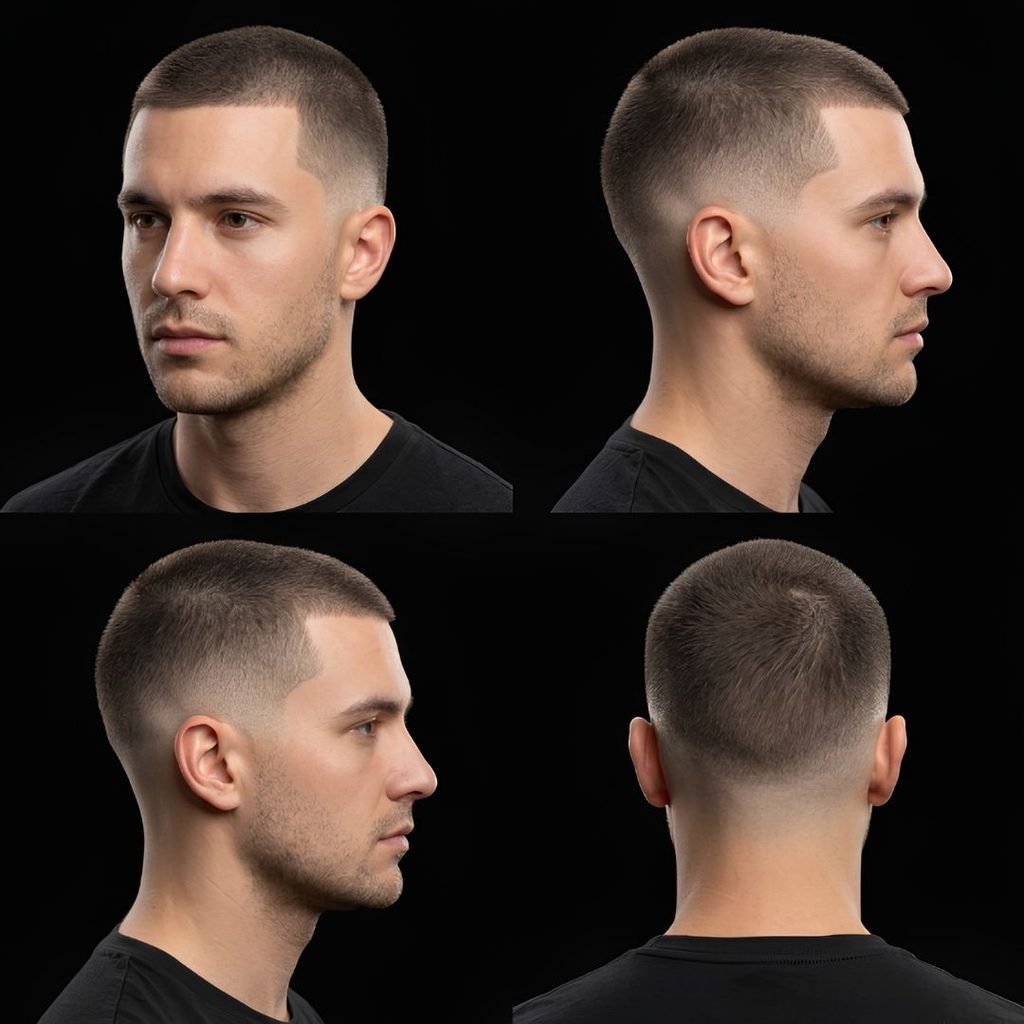
A uniform short length on top, usually a number 2 or 3 guard, meets the low fade with barely any contrast between them. It’s about as low maintenance as a fade gets while still reading as an actual haircut instead of just short hair. No styling routine needed here at all.
Visit your barber every few weeks to keep the fade line crisp. This is the go-to for guys who want zero morning fuss and a clean look that never looks unfinished. Simple, reliable, done in fifteen minutes.
12. Low Burst Fade Pompadour
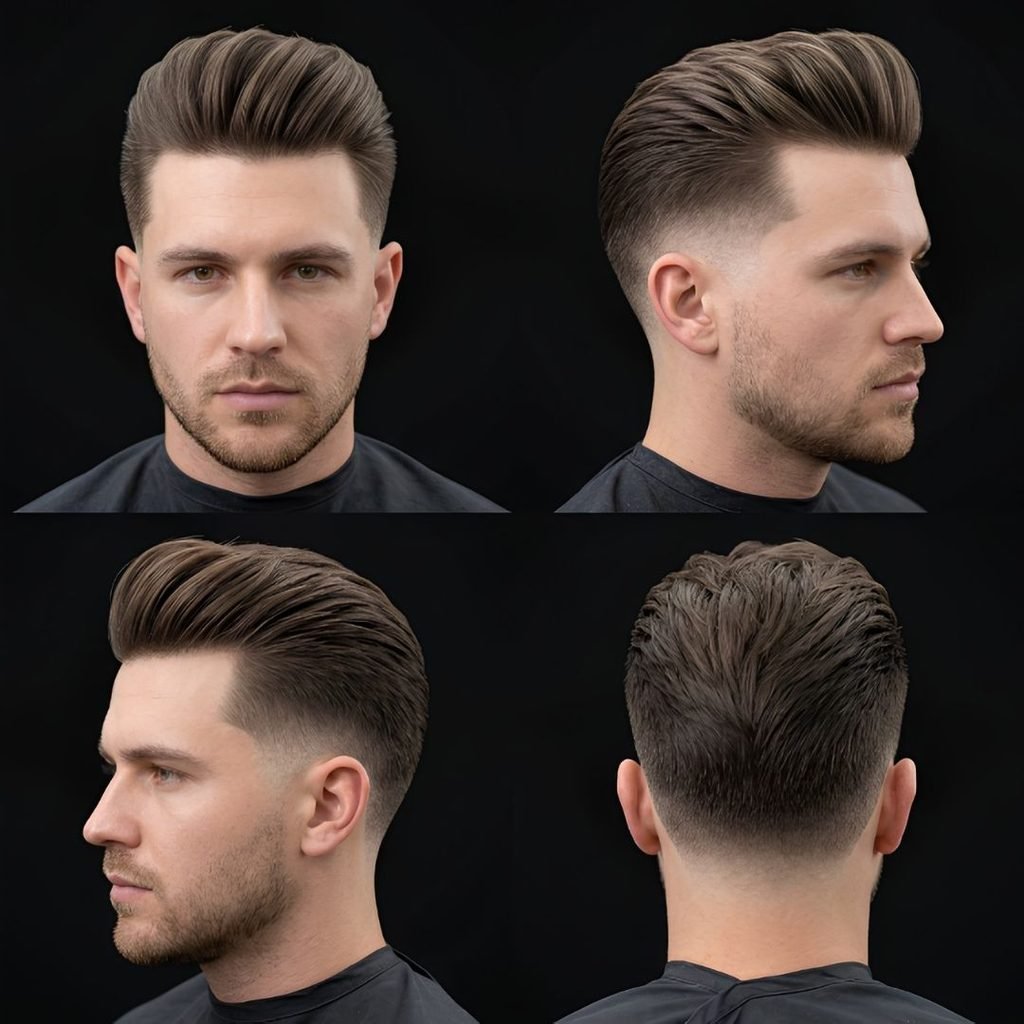
Height and volume get built up front through blow drying, while the low fade keeps the sides quiet and out of the way. It flexes between formal and casual depending on how much height you build. Dial it up for a night out, dial it down for the office.
Pomade plus a blow dryer pointed upward at the roots is the combo that makes this work. It takes a little more time each morning than the buzz cut, but the payoff is a genuinely sharp silhouette. This is one of the more classic low burst fade hairstyles on the list for a reason.
13. Comb Over Low Burst Fade
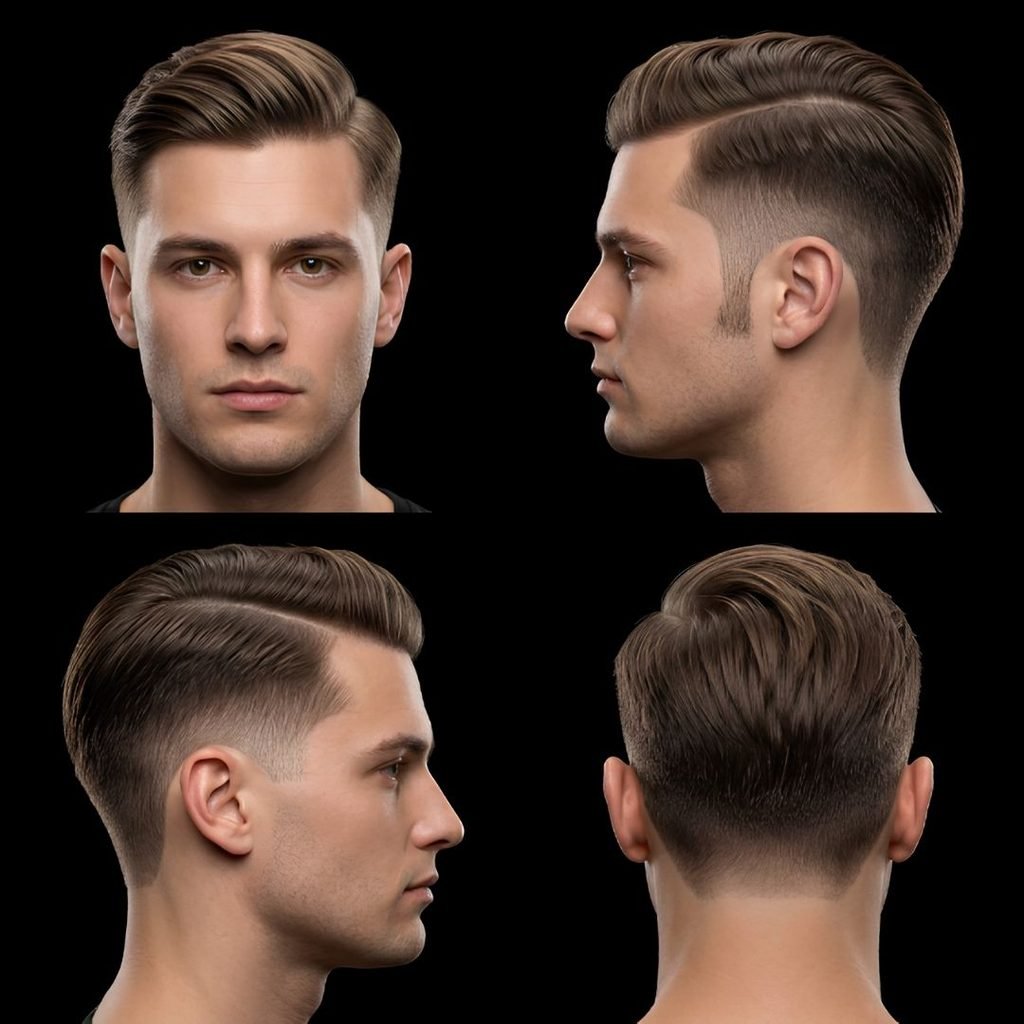
A defined side part with the top combed across, sitting on top of a clean, professional low fade. This is consistently one of the most requested combinations for office jobs and client-facing roles. It looks put together without looking like you tried too hard.
Medium hold pomade gets you a smooth finish that holds through a full workday. It’s the safest formal pick on this entire list, honestly. If you need a haircut for a job interview tomorrow, this is a solid default.
14. Wavy Hair Low Burst Fade
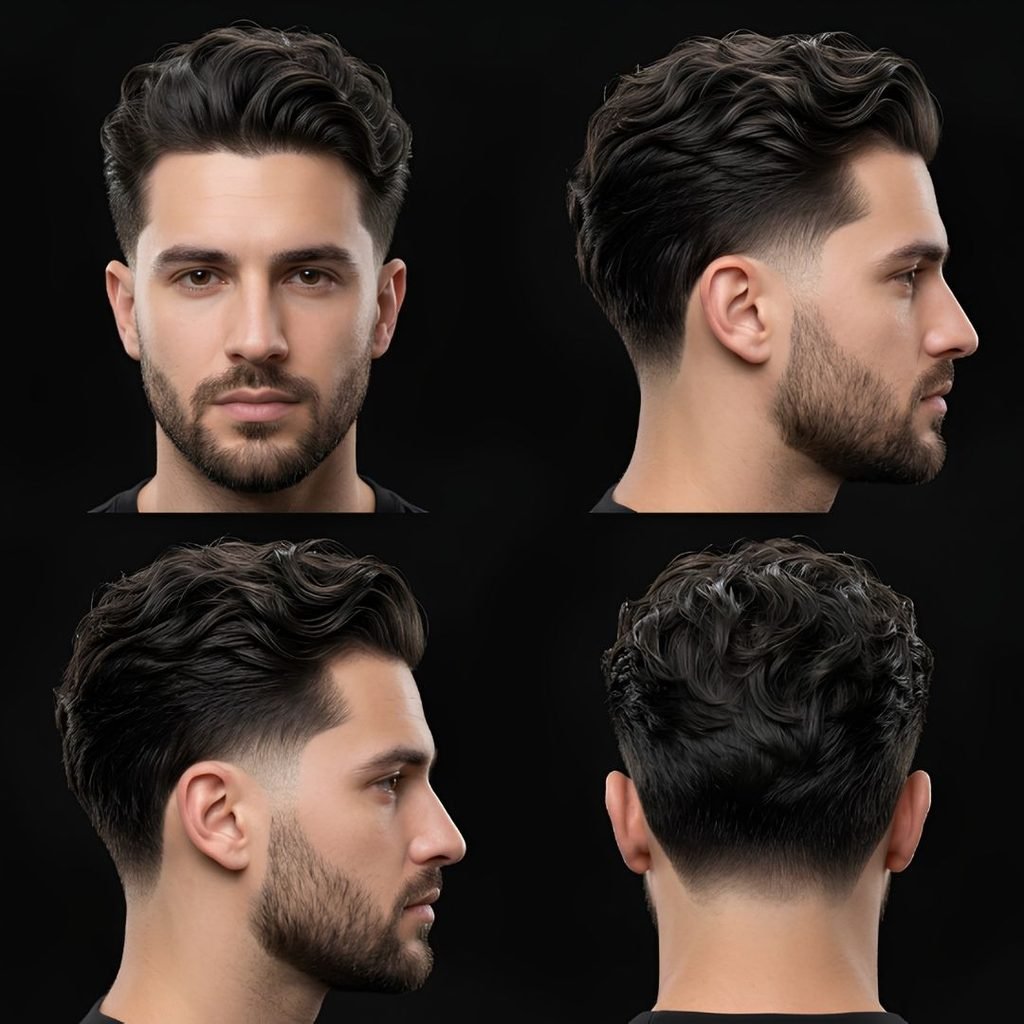
The fade adds definition at the sides while your natural wave pattern gets left mostly alone up top. This is one of the few cuts here that genuinely needs almost no daily styling, assuming your waves already have a decent pattern going. Low effort, good payoff.
A moisturizing cream keeps waves soft and defined without flattening them out. Low burst fade with wavy hair is an underrated combo that a lot of guys overlook in favor of curly-specific cuts. If your hair naturally waves, lean into it instead of fighting it.
15. Textured Crop Low Burst Fade
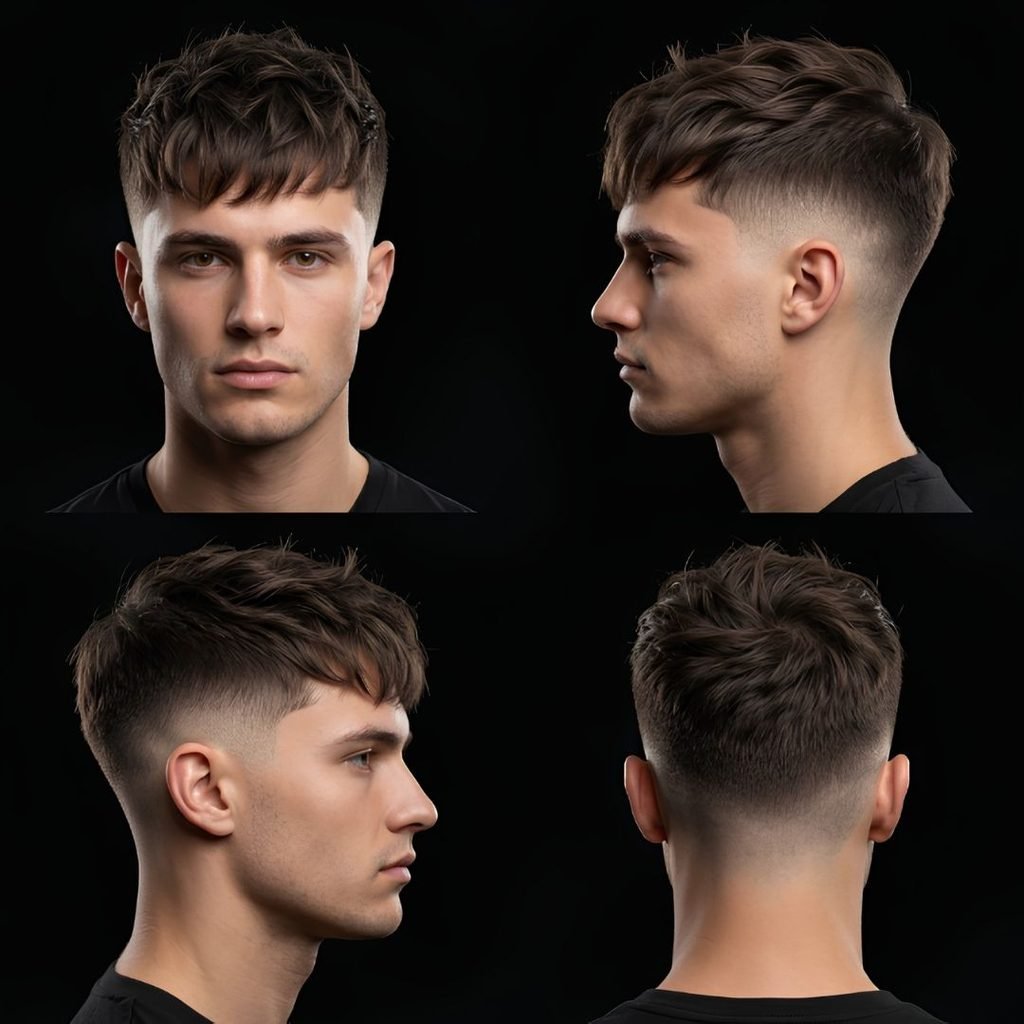
Short, choppy texture sits across the top in a crop shape, paired with the same clean low fade running underneath. It’s a modern, low fuss silhouette that works especially well on square or angular face shapes. Quick to style, quick to maintain, hard to mess up.
A lightweight styling cream or paste keeps the crop looking textured instead of flat. This is one of the more versatile picks here, since it works across straight, wavy, and even some curlier textures. A solid middle ground between the classic cut and something with more personality.
16. Skin Low Burst Fade
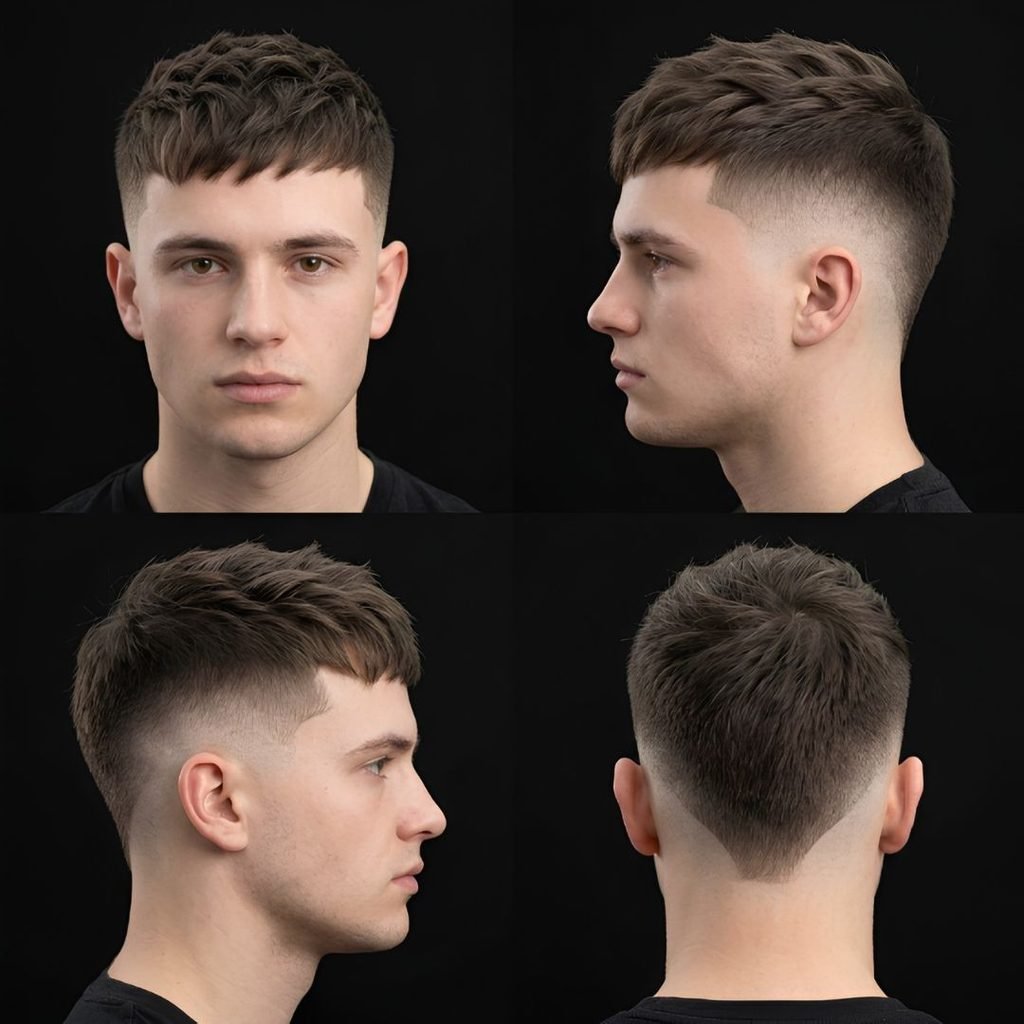
The fade goes all the way down to bare skin at its lowest point, giving you the highest contrast version of a low burst fade specifically. Because skin is exposed right at the fade line, this version needs more upkeep than anything else on this list to avoid visible regrowth stubble. Worth it if you like that razor sharp edge.
Sunscreen matters here if you’re out in the sun a lot, since that skin is now exposed. This is the pick for guys who want the soft, low placement but still want a hard, defined line at the bottom. Best paired with a barber who’s confident with a straight razor.
17. Long Hair Low Burst Fade
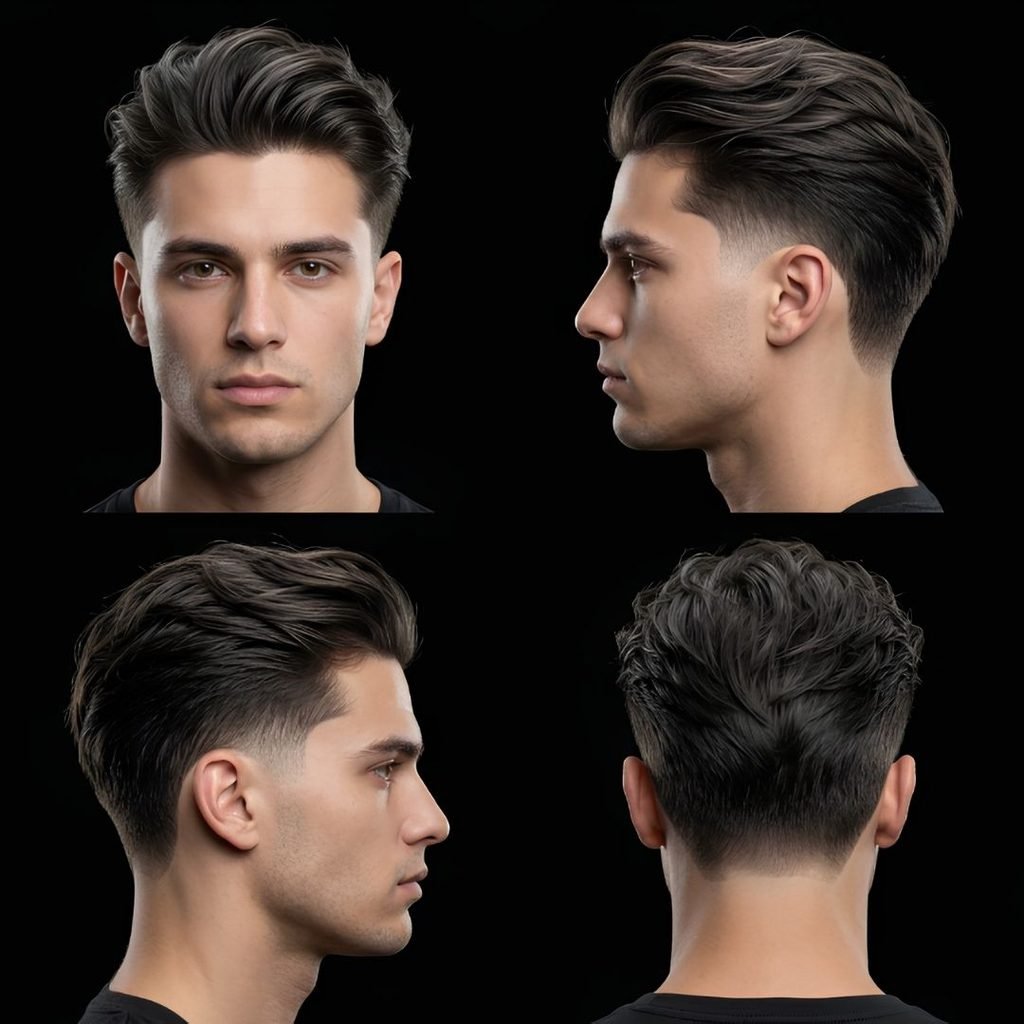
A Long Hair Low Burst Fade combines longer hair on top and toward the back with a low burst fade around the ears. The fade curves outward from the ear while keeping the sides relatively full, creating a gradual, clean transition without removing too much hair.
Key Features
- Long top: Keeps plenty of length for styling and texture.
- Low burst fade: Starts low around the ears for a subtle appearance.
- Natural sides: More hair remains compared with a high burst fade.
- Versatile styling: Works with straight, wavy, curly, or textured hair.
- Modern finish: Can be paired with a messy top, slick-back, fringe, or long textured layers.
Best Face Shapes for a Low Burst Fade Haircut
The low burst fade adapts well across pretty much every face shape, since the top length and finish do most of the actual shaping work. The fade itself stays fairly consistent no matter what shape you’re working with. Here’s how to match a style to your face.
Oval Face Shape
Oval faces have the most balanced proportions of any shape, so almost every style on this list works fine. If you want a safe starting point, the Classic Low Burst Fade or Comb Over are both versatile picks. You’ve got the most freedom here, so use it.
Round Face Shape
Height on top visually elongates a round face, which is exactly what you want. The Pompadour or a Faux Hawk-style build adds vertical volume that counters roundness better than a flat top ever could. Avoid anything that adds width at the sides.
Square Face Shape
A low burst fade haircut actually highlights a strong jawline instead of competing with it. The Textured Crop or a Slick Back finish work well here because neither one adds extra width at the sides. Lean into the jaw instead of trying to hide it.
Diamond Face Shape
Diamond faces run widest at the cheekbones, so a little length or texture on top helps balance that width out. The Textured or Wavy Hair entries from earlier are solid fits for this shape specifically. Avoid anything too flat or too tight up top.
Heart Face Shape
Moderate volume without piling on too much height keeps a heart shaped face looking balanced. Too much height at the crown can actually exaggerate a narrower jawline, so watch that. The Messy or Short entries are proportionate, low risk choices here.
How to Ask Your Barber for a Low Burst Fade Haircut?
Getting the right cut comes down to how clearly you communicate before the clippers even turn on. Vague requests get vague results, and “low” means different things to different barbers. Here’s the exact script to use.
Say this, word for word, if you want zero ambiguity: “I’d like a low burst fade, start the fade around the top of my ear, curve it back rather than straight up, and keep [X inches or guard number] on top.”
Beyond that opening line, cover a few more specifics. Mention your top length or clipper guard number if you want it done entirely with clippers rather than scissors. Say whether you want a soft blend for a gradual look or a sharp line for more defined contrast, and if you’ve got a beard, ask for it to be blended in the same session.
If your barber offers clipper fade guard-number language, a low burst fade on top typically runs a number 4 to 6 guard, tapering down through a 2 or 0, or straight to skin, at the fade line itself. Guard sizing can shift slightly by clipper brand, so confirm the numbers with your specific barber. And bring a reference photo. Even a screenshot removes almost all miscommunication risk before a single hair gets cut.
How to Style a Low Burst Fade Haircut?
A great fade only looks great if you style it right afterward. The good news is that this cut doesn’t demand a complicated routine. Here’s the five step version that works for most hair types.
Step 1: Start with Clean Hair
Wash with shampoo, then dry your hair about eighty percent of the way. Completely soaked hair dilutes product too much, and bone dry hair makes even distribution harder. That eighty percent mark is the sweet spot.
Step 2: Apply the Right Product
Match your product to the finish you’re going for. Pomade works for slick or defined looks, clay or paste builds texture and a matte finish, and cream is best for waves that need light hold. Pick one, not three, or you’ll overload your hair.
Step 3: Shape Your Hair
Use your fingers for a natural, textured shape, or a comb if you want something more defined and polished. Work from the roots outward, not just through the ends. That’s where most guys go wrong, they only style the tips and ignore the base.
Step 4: Add Volume if Needed
A blow dryer on medium heat, aimed upward and back at the roots, builds real volume for pompadours, faux hawks, or quiffs. This step is optional if you’re going for something flatter or more textured instead. Skip it for the low maintenance styles on this list.
Step 5: Finish and Hold
A light pass of hairspray locks the shape in place for the day without adding stiffness or unwanted shine. Don’t overdo it here either. A light mist goes a long way. That’s it, you’re done, and it takes less time than most guys assume.
Step-by-Step Low Burst Fade Haircut Tutorial
Curious what actually happens in the chair during a low burst fade haircut? Here’s the full process from start to finish, so you know what to expect and can spot if a step gets skipped. This applies whether you’re at a barbershop or attempting it at home.
Step 1: Prepare the Hair
Wash and comb your hair in its natural growth direction first. This lets your barber spot cowlicks and growth patterns before a single cut happens, which matters more here than with a straight fade, since the curved blend has to follow your head’s natural shape. Skipping this step is how uneven fades happen.
Step 2: Create the Burst Fade Shape
Your barber establishes the curved fade guideline, starting low around your ear instead of a straight taper line running up the side. This guideline is the foundation for everything that follows. Get this wrong and the rest of the cut won’t recover.
Step 3: Blend the Fade
Multiple clipper fade guards get used in sequence, moving from shortest at the bottom to progressively longer as they move up. The goal is eliminating any visible line between sections. This is the part that separates a good barber from a rushed one.
Step 4: Cut and Style the Top
The top gets cut to match whatever style you asked for, scissor over comb for texture, or clippers over comb for a more uniform length. Which method your barber uses depends entirely on the style you picked earlier. This is also where longer top and textured top requests get executed.
Step 5: Clean the Edges
Your neckline and hairline get defined with a straight razor or trimmer for those clean edges and a sharp hairline. If you’ve got a beard, it typically gets blended in during this same pass. This step is what makes a fresh cut look fresh, even more than the fade itself.
Step 6: Finish with Styling Products
Product gets applied at the very end to show you the finished look before you leave the chair. This is your chance to confirm the style actually matches what you asked for. Speak up now if something’s off, not three days later.
How to Maintain a Low Burst Fade Haircut?
Getting the cut right is half the job. Keeping it looking sharp is the other half. A low burst fade haircut is more forgiving than most, but it still needs a routine. Here’s what actually keeps it looking fresh between visits.
Get regular trims every three to four weeks for most low burst fades, which is longer than a high fade needs since the lower fade line grows out less visibly. That stretch is one of the biggest reasons guys pick this cut in the first place. Don’t push it much past five or six weeks though, or the blend zone grows out unevenly.
Wash Hair Properly
A gentle, sulfate-free shampoo used two to three times a week keeps hair clean without stripping the natural oils that curly and coily textures depend on. Washing too often can actually work against you here. Less is usually more with textured hair specifically.
Use Conditioner
Conditioner every wash, focused on the lengths rather than your scalp, matters most for curly, coily, and longer-on-top variations. Skipping this step is how curls end up dry and frizzy by week two. It’s a small habit that makes a real difference.
Apply Styling Products Carefully
Start with less product than you think you need, something closer to a dime sized amount for most types. Build up from there instead of overloading and having to wash it all out again. This one habit alone prevents most of the greasy-looking mistakes guys make.
Maintain Beard and Edges
If your fade blends into a beard, trim both on the same schedule so the blend line doesn’t drift out of alignment between visits. This is easy to forget once the initial cut fades from memory. Set a reminder if you have to. It’s worth it.
Low Burst Fade Haircut vs. Taper Fade
These two get confused constantly, but the actual fade shape is different, not just the height. Knowing the difference helps you ask for exactly what you want instead of getting whichever one your barber defaults to. Here’s the breakdown.
| Feature | Low Burst Fade | Taper Fade |
| Fade shape | Curved, arcs around the ear | Straight, gradual taper down the side |
| Contrast | Moderate to strong at the fade line | Subtle throughout |
| Best for | A defined fade that still reads as professional | The most natural, understated option |
| Styling flexibility | High, pairs with most top styles | High, but with less visual contrast to play against |
If you want something coworkers will actually clock as “a haircut,” go with the burst fade. If you’d rather have something that barely registers as a fade at all, ask for a taper instead. Neither one’s wrong, it just depends on how much contrast you want people to notice.
Best Hair Products for a Low Burst Fade Haircut
The right product depends entirely on your hair type and the finish you’re chasing. Using the wrong one is how a great cut ends up looking flat or greasy by lunchtime. Here’s what actually works for each style direction.
Pomade
Pomade works well for slick backs, pompadours, and comb over styles specifically. It adds shine and keeps hair locked in place through a full day. Not the pick if you’re going for a matte, textured look though.
Hair Clay
Hair clay delivers texture and a natural, matte finish without shine. It’s ideal for the messy or textured burst fade haircut variations from earlier on this list. A little goes a long way with clay.
Sea Salt Spray
Sea salt spray adds volume and gives hair a relaxed, beachy look. It works especially well on wavy or textured hair that already has some natural movement to work with. Spray it into damp hair for the best results.
Curl Cream
Curl cream keeps curly hair soft, defined, and frizz free throughout the day. This is a must-have if you went with the curly variation earlier in this guide. Apply it to damp hair, not dry, for even distribution.
Hair Wax
Hair wax gives flexible hold without making hair feel stiff or crunchy. It suits a wide range of everyday styles, especially the ones that don’t need heavy volume. A solid all-around pick if you’re not sure which product to start with.
5 Mistakes to Avoid With a Low Burst Fade Haircut
A few small missteps are behind most of the “this isn’t what I asked for” haircuts out there. Avoiding them takes almost no extra effort, just a little more clarity before the clippers start. Here’s what to watch for.
- Not specifying “low”: If you just say “burst fade,” some barbers default to a mid or high placement without asking. Always confirm the starting point out loud.
- Skipping the reference photo: “Low” and “soft blend” mean slightly different things to different barbers. A photo removes the ambiguity entirely.
- Waiting too long between trims: Even a forgiving low fade gets messy past five or six weeks, making it harder to re-fade cleanly.
- Overloading product on fine or thin hair: Too much pomade or clay on finer textures weighs the top down and can make it look thinner than it actually is.
- Not mentioning beard blending upfront: Say it before the cut starts, not after. Blending both in the same session gets a cleaner result than fixing a mismatch later.

Ahmad is a men’s hairstyle writer and grooming content specialist at HairWhizz.com, specializing in hair designs, haircut variations, and modern men’s hairstyles. He researches professional barbering techniques, current hairstyle trends, and trusted grooming resources to create practical, easy-to-follow haircut guides. Ahmad regularly reviews and updates his articles to ensure every guide remains accurate, up to date, and genuinely helpful for readers planning their next visit to the barber.
All articles published on HairWhizz.com follow our editorial standards and are reviewed regularly to ensure accuracy, freshness, and reader value.